Embracing a zero-waste lifestyle is crucial for minimizing our environmental impact. The modern consumer society has created an ever-growing mountain of waste, causing unprecedented pollution. What is a zero-waste lifestyle? Essentially, it’s a conscious way of living that aims to reduce waste and its related problems. Many people struggle with the overwhelming task of implementing zero-waste principles, feeling intimidated or unsure where to start. This guide offers practical tips and strategies to help you embark on your journey towards a more sustainable lifestyle. This article will delve into various aspects of reducing waste from everyday practices, explore the potential impact of your choices, and present clear, actionable steps to help you create a positive shift.
Understanding the Zero-Waste Concept
Defining and Recognizing the Problem
A zero-waste lifestyle isn’t about perfection; it’s about conscious choices that minimize waste generation. The core principle is to reduce, reuse, recycle, and recover resources wherever possible. A primary concern in a consumer-centric society is the sheer volume of waste produced daily. This waste overwhelms landfills and contributes to environmental pollution, posing severe threats to our ecosystem. The excessive use of single-use plastics, for instance, is a significant concern in many regions around the world, causing immense plastic pollution in oceans, harming marine life, and impacting the global food chain.
Practical Strategies for Waste Reduction
Shopping Smarter and Consciously
One crucial area to focus on is mindful shopping. Consumers often fall into the trap of purchasing items based on immediate needs or perceived value instead of considering the environmental consequences. Shopping habits play a vital role in waste generation and can significantly be impacted by sustainable alternatives. You can achieve positive impacts by opting for products made from sustainable materials, choosing reusable products over disposables, and supporting companies that prioritize sustainability. Buying in bulk, repairing items instead of replacing them, and considering pre-loved items can dramatically reduce waste. Researching products before purchase is also key; look for products with minimal packaging or recycled materials and look for brands with ethical sourcing.
Designing a Zero-Waste Kitchen
Food Storage and Preparation
Implementing a zero-waste lifestyle in the kitchen involves adopting innovative approaches to food storage and preparation. Instead of using disposable containers, opt for reusable glass or stainless steel alternatives. Shop for fruits and vegetables in bulk using reusable bags. Develop a system for storing leftovers to minimize food waste. Consider composting food scraps to enrich your soil. Plan meals in advance to minimize food spoilage and make smart grocery shopping decisions.
Beyond the Kitchen
Reducing Waste in Daily Habits
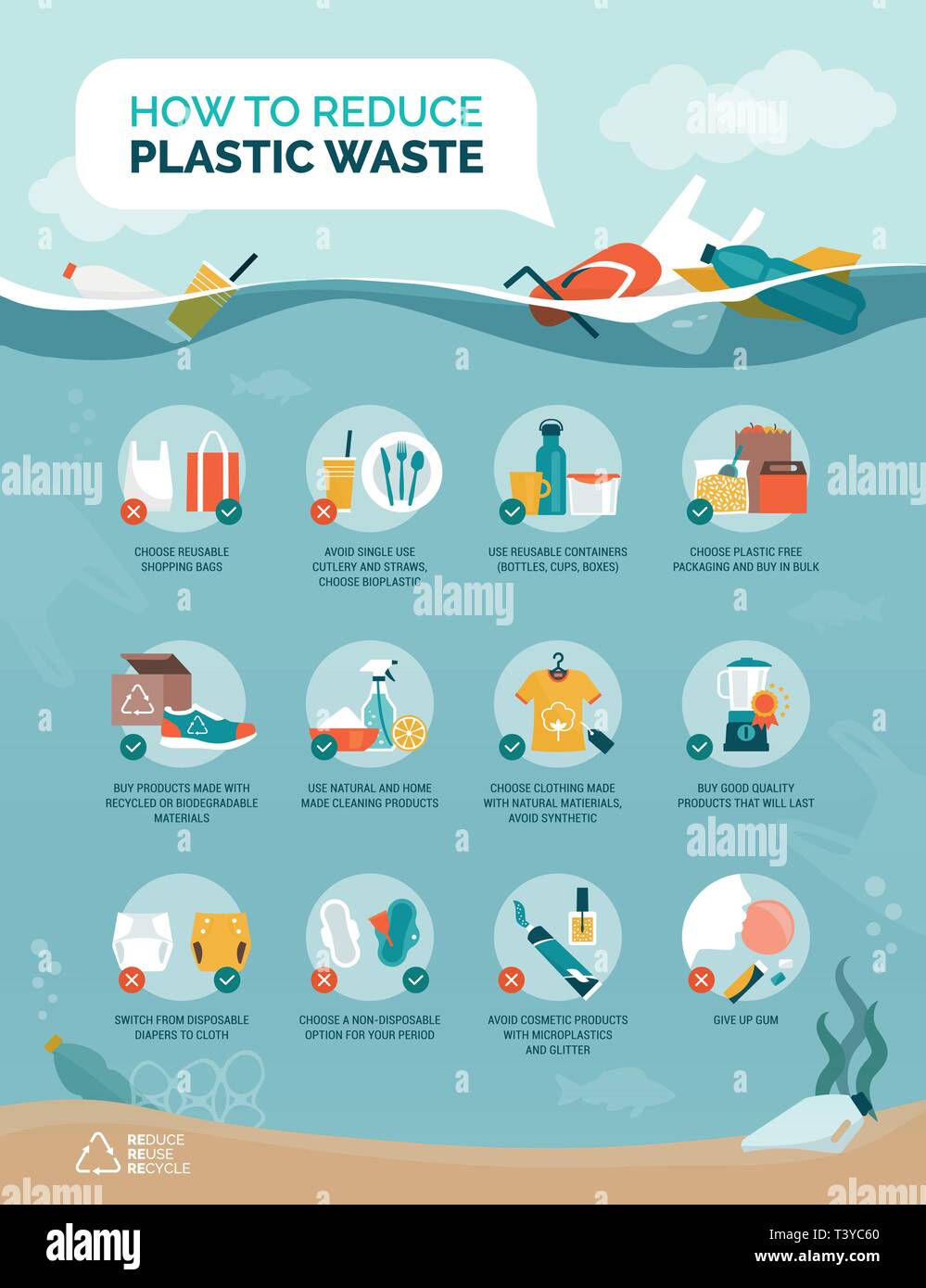
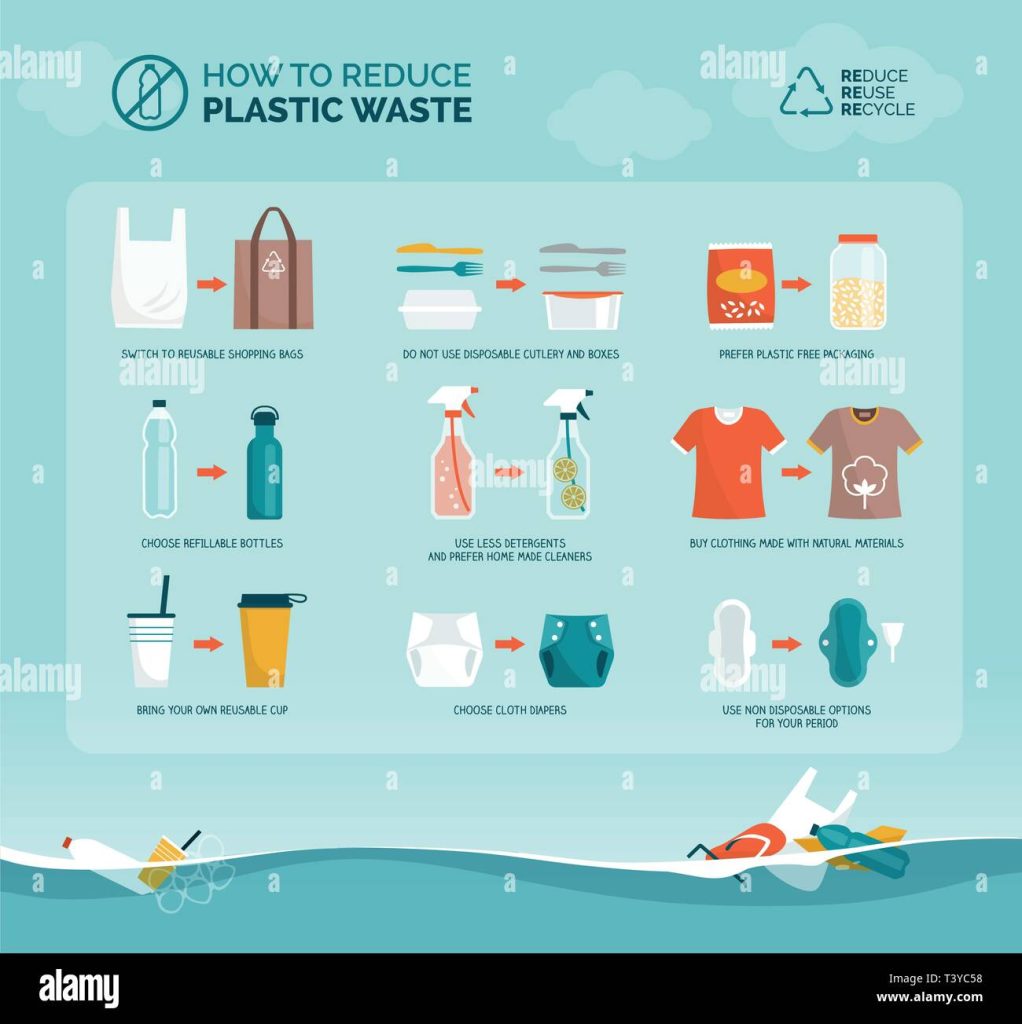
Zero-waste principles extend far beyond the kitchen. Focus on reducing waste in daily habits. Carry reusable water bottles and coffee cups to eliminate plastic bottles and cups. Opt for reusable shopping bags instead of plastic ones. Choose products with minimal packaging and consider purchasing items that are durable and long-lasting. Encourage others to adopt zero-waste habits through community initiatives. Promote discussions and build support groups where people can share their experiences and learn from each other.
Embracing a Sustainable Mindset
Understanding the Long-Term Impact
Shifting to a zero-waste lifestyle requires a change in mindset. It involves understanding the long-term impact of our choices and fostering a sense of responsibility for the environment. The benefits of a zero-waste lifestyle extend beyond environmental consciousness. It often fosters a stronger connection with nature, a heightened sense of purpose, and even a greater appreciation for simple living.
The Importance of Recycling and Composting
Waste Management Strategies
Recycling and composting are essential parts of a zero-waste lifestyle. Sorting waste correctly and composting organic materials are crucial steps in reducing landfill waste and creating valuable fertilizer for gardens. Find out about local recycling and composting programs to support the reduction of waste. Look for local community compost programs to effectively manage food waste, turning it into beneficial organic material.
Ethical Consumption
The Influence of Consumer Decisions
Ethical consumption plays a key role in a zero-waste lifestyle. Support brands that prioritize sustainability and transparency in their production processes. Choosing products that are ethically sourced and minimize environmental damage can significantly reduce overall waste.
Community Engagement
The Power of Collaboration and Learning
Building a community around zero-waste practices is crucial. Share your experiences, learn from others, and support local initiatives that promote a zero-waste lifestyle in your community. Supporting local recycling programs and participating in workshops can enhance your understanding and motivate others to adopt sustainable practices
Educational Resources
Finding Support for Your Journey
Seek out educational resources and connect with organizations that are actively promoting zero-waste lifestyles. Joining online communities or attending workshops can provide valuable insights and support your transition toward a more sustainable future. Consult local resources to help understand the regulations and guidelines applicable to your area, and engage with online communities to connect and share experiences with others pursuing a similar journey.
Frequently Asked Questions
What are some unexpected benefits of a zero-waste lifestyle beyond environmental impact?
Adopting a zero-waste lifestyle often leads to unexpected benefits such as reduced financial burdens through minimizing waste-related expenses and increased awareness in food preparation and consumption, leading to healthier eating habits. This approach often promotes a deeper understanding and appreciation for the resources available and thus boosts an individual’s sense of responsibility towards the surrounding environment. Studies also indicate a positive correlation between a zero-waste lifestyle and increased self-confidence and a stronger sense of purpose. Ultimately, it’s about living more mindfully and purposefully.
How can I get started with a zero-waste lifestyle if I’m a busy professional?
Beginning a zero-waste lifestyle doesn’t demand complete overhaul overnight. Begin with baby steps. Focus on one or two simple habits to change per month to build momentum and create a sustainable routine. For example, you could start with using reusable water bottles and shopping bags to eliminate plastic waste. As you gain more proficiency and experience, you can progressively include additional zero-waste practices into your routine. Take it easy, and remember the key is gradual, consistent effort.
In conclusion, embracing the zero-waste lifestyle is a powerful step towards a more sustainable future. By implementing the practical tips outlined in this article, you can significantly reduce your environmental footprint and contribute to a healthier planet. Remember, small changes can create significant impact. Start today with a single conscious choice. Explore local initiatives, join community groups, and share your journey! Start your zero-waste adventure today.