
DIY garage shelving offers a practical and cost-effective way to transform your garage from a chaotic mess into a well-organized storage haven. Imagine a garage where every tool, every box, and every piece of equipment has its designated spot. DIY garage shelving, not only can transform your garage space but also free up valuable floor area. Many homeowners find that their garages are cluttered with items, making it difficult to find what they need and to move freely around. Creating a structured, well-organized storage system not only improves efficiency but also increases the overall value of your home. This article explores various DIY garage shelving solutions, covering materials, design, and installation. This comprehensive guide helps you construct your own budget-friendly garage shelving that seamlessly fits your space and storage needs.
Planning Your DIY Garage Shelving Project
Assessing Your Needs and Space
Garage shelving systems are much more effective when created with your space in mind. Thorough planning is essential to ensuring a functional storage solution. Understanding your garage’s dimensions will help to determine the most effective layout and shelving unit dimensions. Consider the height and width of your garage, and the various tools and items you need to store. Take inventory of your current tools, equipment, and supplies and how much space each one occupies. Create a floor plan to visualize the arrangement of the shelves, and determine the number and size of shelves needed. This step often helps reveal the most effective configuration of shelves to make the most out of the available space. Consider potential storage requirements that may change or be added in the future and design your shelving accordingly to accommodate expected changes in storage needs.
Choosing the Right Materials
Selecting the ideal materials is crucial for both durability and aesthetics in DIY shelving projects. Wood is a popular choice due to its affordability and versatility. Metal shelving units offer greater durability and can accommodate heavy items. Repurposed materials like pallets or old wooden planks can be a budget-friendly alternative while adding a unique, rustic feel. Consider the weight you anticipate storing on the shelves before choosing your materials and components. Factor in the load-bearing capacity of your chosen material and the amount of support needed. Choose materials that align with your project’s needs and visual aesthetic.
Designing the Layout
Consider the optimal layout for your DIY garage shelving. Visualize the shelves in your mind’s eye. Consider the height and width of items you plan to store. Create a blueprint of the garage area and designate areas for specific items or tools. A proper plan can help prevent unwanted conflicts in the future. Measure the length, width, and height of the space you will use, and determine the ideal placement of the shelves to maximize space and prevent overcrowding.
Building Your DIY Garage Shelving
Cutting and Preparing the Materials
Accurately cutting the materials will ensure a precise fit and increase the overall strength of the shelving system. Ensure you have the right tools, such as a saw, drill, and measuring tape. For wood, use a saw and make sure to calculate all measurements correctly. This will help ensure that your shelves are both structurally sound and aesthetically pleasing. If using metal, follow the manufacturer’s instructions for cutting and shaping. Mark your cutting points clearly before starting to cut. Pay close attention to safety measures during this process, like using appropriate safety equipment and handling materials carefully.
Assembling the Shelves
Proper assembly of the shelving is critical. Review any pre-made instructions for the material you have chosen. Ensure you have the correct fasteners for your materials. Attach the shelves to the supports using screws or brackets, ensuring a secure fit. Test the shelves by placing light items on them before adding heavier items. This will help to ensure that the structure is strong enough to bear the weight you anticipate placing upon it. Take your time and follow the manufacturer’s instructions carefully, especially if using a prefabricated shelving system.
Enhancing Your DIY Garage Shelving
Adding Decorative Elements
Adding decorative elements can significantly enhance the appeal of your DIY garage shelving. Consider paint colors, wall decals, or even adding decorative shelving brackets to add a touch of style to your DIY garage shelving system. Choose colors and decorative elements that complement the overall aesthetic of your garage. For example, you could use colors that match your existing home decor or contrast beautifully with your garage’s existing color scheme. If you’re feeling creative, use paint, stain, or even stencils to customize the shelves to your liking.
Installing Accessories
Incorporating accessories can add practicality and functionality to your garage shelving. Consider installing hooks, baskets, or dividers to help organize smaller items or tools. Hooks can be used to hang items like hats, bags, or coats. Bins can help organize tools and other small items. Using dividers will help to separate items and keep them organized. Install baskets to keep items like gloves, tools, and other odds and ends separate and easily accessible.
Tips for a Successful DIY Garage Shelving Project
Organizing Your Garage Before You Start
Start by clearing out everything in your garage, then divide the items based on their usage and storage needs. This will enable you to allocate storage areas efficiently and avoid putting too many heavy items on one set of shelves. Creating a floor plan beforehand will allow you to allocate specific locations for various items, which can ensure that you’re saving the most space possible. This will help you choose the correct materials and layout for your storage system, ensuring that the shelves are both functional and attractive.
Maintenance and Safety Considerations
Properly maintaining your shelving system can prolong its lifespan. Regularly check for any loose or damaged fasteners and repair or replace them promptly. Ensure the garage shelving can handle anticipated weight loads. When handling any materials, always prioritize safety by wearing appropriate safety gear and handling the materials with care to avoid injury.
Design Variations for DIY Garage Shelving
Open Shelving
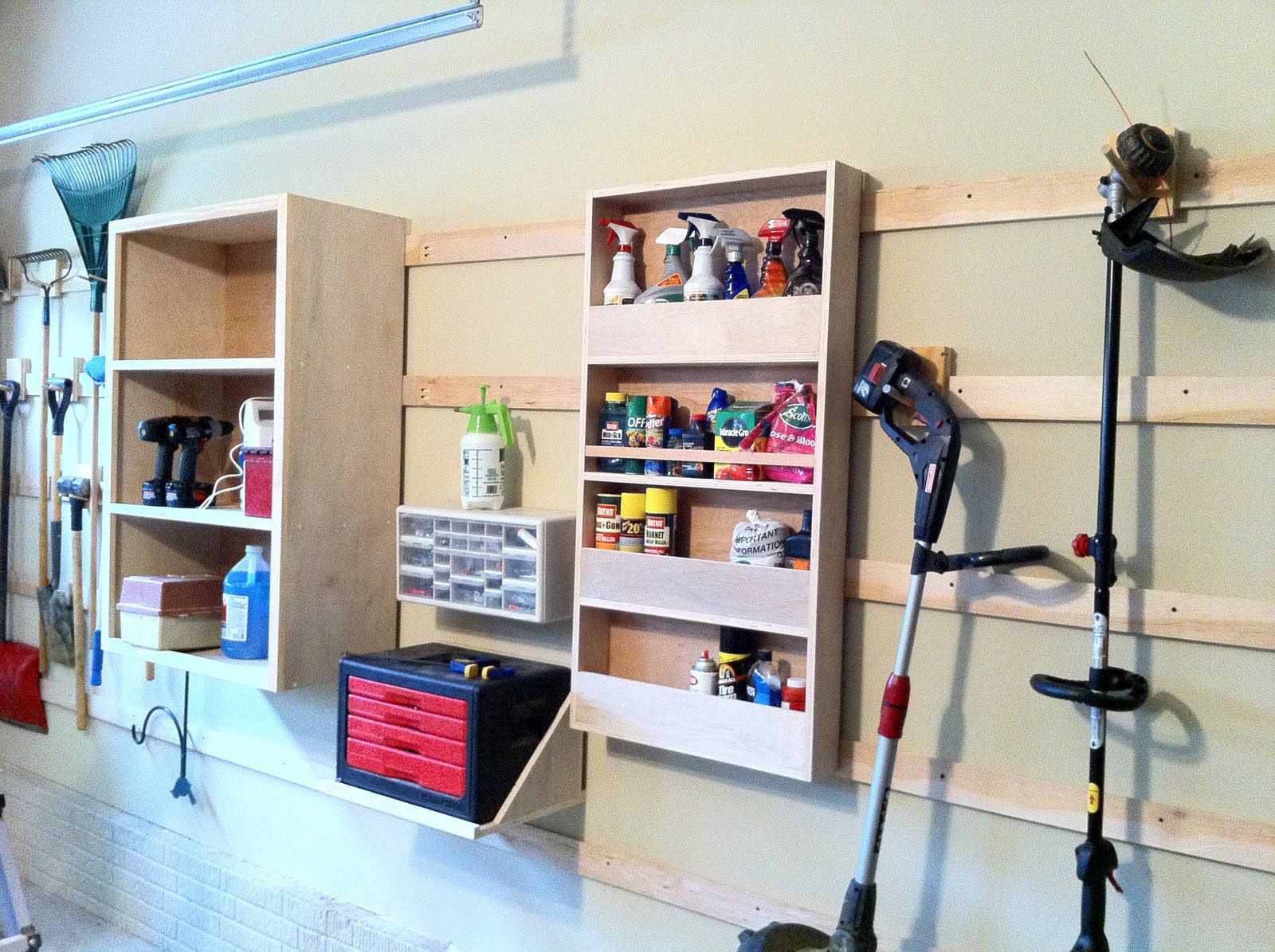
Open shelving offers a modern and airy aesthetic to your garage. Open shelving allows you to easily access your items and is perfect for showcasing décor or collectibles. The layout of the open shelving can vary based on the shape and size of your garage space. The ideal open shelving often balances accessibility with visual appeal, ensuring both function and aesthetics are taken into account during design and execution.
Wall-Mounted Shelving
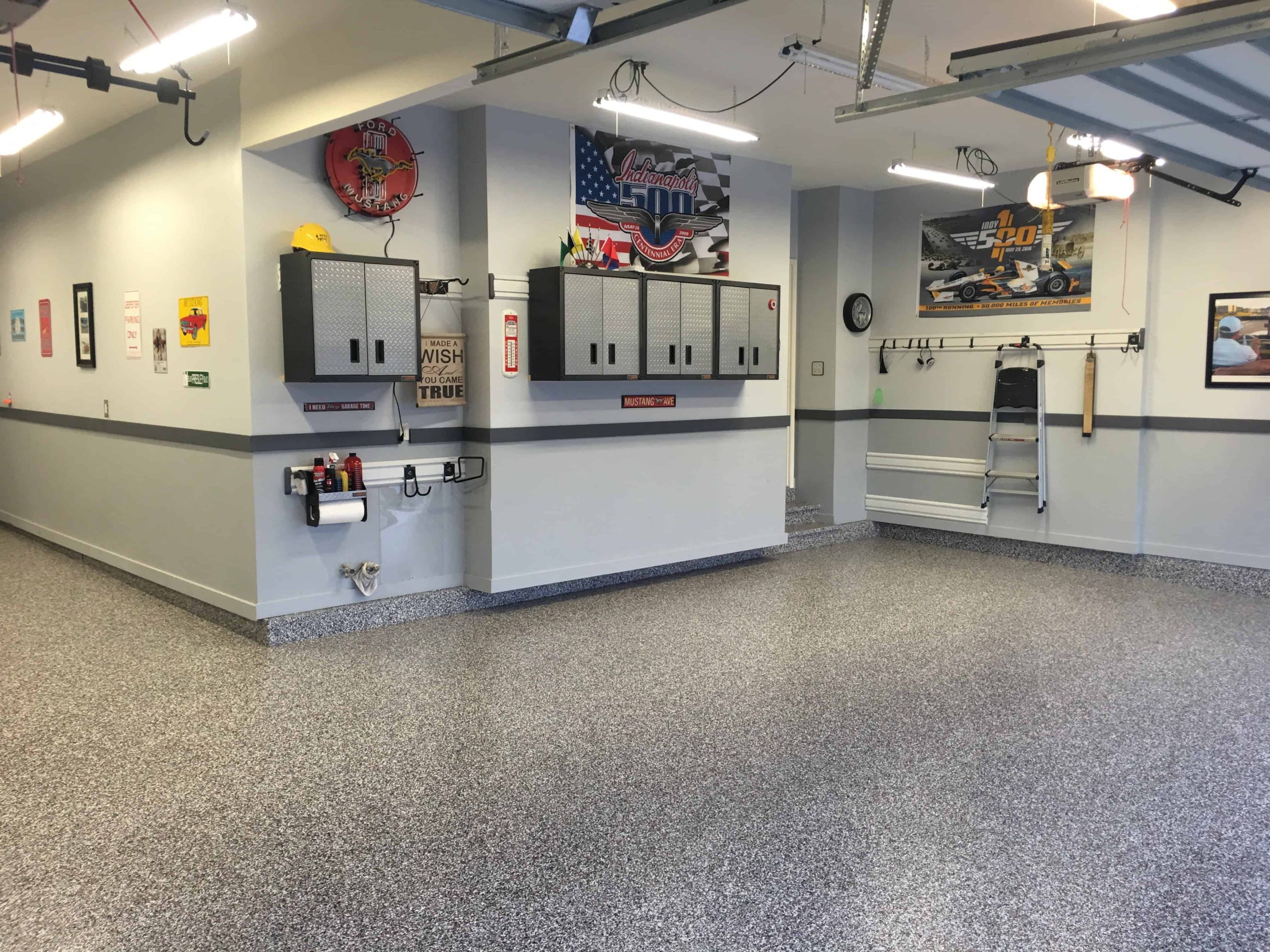
Wall-mounted shelving is a great way to maximize vertical space in a garage and is often used to store items that do not require easy access. This is excellent for storing items that are rarely used. The amount of wall-mounted shelving is dependent on the available wall space and the storage needs of the homeowner. This type of shelving often requires a strong wall structure capable of holding the weight of items to be stored.
Additional DIY Garage Storage Ideas
Incorporating Bins and Baskets
Adding bins and baskets to your garage shelving system can greatly enhance organization and create a tidier space. This helps to keep items grouped and easier to find, increasing the functionality of your garage storage. The bins should be chosen to complement the overall décor of your garage. The use of bins and baskets can add a decorative appeal to the space as well, and can make organizing the garage less of a tedious task.
Installing Pegboards
Pegboards are an excellent way to organize small tools and frequently used items. Their versatility makes them suitable for a wide variety of garage items. The flexibility of pegboards makes it useful in many ways, and it can provide a great way to add more storage and organization to a small area. Pegboards are a good way to take advantage of vertical and horizontal spaces. Pegboards provide a functional and aesthetically pleasing storage solution, and they are a budget-friendly way to maximize your garage space.
Budgeting for Your DIY Garage Shelving Project
Material Cost Estimation
Accurately estimating material costs for your project can help you stay within budget. List out all the materials needed and the cost of each. Make sure to factor in the cost of any tools and hardware needed for the project. This helps ensure that you’re not overspending on materials that are not necessary for your project. Also keep in mind the cost of any necessary materials or supplies for the project.
Identifying Affordable Alternatives
Consider affordable alternatives to traditional materials to minimize your expenditure while achieving quality outcomes. Repurposing old materials like wooden planks or pallets can be a budget-friendly way to create a unique and stylish storage solution for your garage. Exploring local thrift stores or online marketplaces for used materials could save you money on your project and provide unique touches to your garage.
Conclusion
DIY garage shelving offers a fantastic opportunity to tailor your garage storage to your specific requirements and create a highly functional space. Following the steps outlined in this guide, you can transform your garage from a disorganized clutter zone to a clean, functional storage haven. Begin by assessing your storage needs, choosing materials, planning the layout and constructing your DIY shelves. Make the most out of the space you have! Use this project as a springboard to explore other garage organization ideas. By taking these steps, you can create a custom solution that meets your specific needs and maximizes the space available.
Tips for maximizing your garage space
Optimizing Vertical Space
Vertical storage maximizes your space. Utilize wall-mounted shelves, tall cabinets, and racks to elevate items and clear up floor space. This is very useful for a garage that has a limited footprint. Vertical shelving offers a lot of benefits and can be a great option to organize and store items.
Creating Zones
Organizing by zones is a highly effective strategy. Designate specific areas for tools, gardening supplies, sports equipment, and other items. This is a strategy for garage organization that ensures that you have a specific and designated space for each item. The use of zones creates an organized storage system in your garage and can increase productivity and organization in your garage.
Using Clear Bins and Containers
Employ clear bins and containers to visually track inventory and see what you have. This keeps things orderly and prevents things from becoming lost or misplaced. Clearly labeled containers can further streamline finding what you need. This helps in maximizing the organization of a garage and makes items easier to locate.
Frequently Asked Questions
What are the best materials for DIY garage shelving?
Choosing the right materials for your DIY garage shelving is crucial for durability and aesthetic appeal. Wood, metal, and even repurposed materials like pallets are all viable options. Wood offers a classic look and is relatively easy to work with. Metal shelving units are known for their strength and sturdiness, making them suitable for heavy-duty storage. Repurposed pallets can be a budget-friendly option but require careful preparation to ensure structural integrity. Consider the weight you’ll be storing and the overall aesthetic you’re aiming for when making your choice. A combination of materials can also provide a diverse and resourceful storage solution.
How do I prevent my DIY garage shelving from collapsing?
Preventing collapses in your DIY garage shelving hinges on careful planning and execution. Properly sized supports and sturdy fasteners are essential. Ensure that the wood or metal pieces are cut accurately and that all connections are firmly secured. Use appropriate fasteners like screws, bolts, or brackets, ensuring they are the correct size and type to handle the anticipated weight. Consider adding bracing to support the shelves and prevent sagging. If you are installing shelving that will support heavy items, consult with a professional. Follow the manufacturer instructions and always prioritize safety.
In conclusion, DIY garage shelving is a fantastic way to maximize space and organize your garage efficiently. By following the steps outlined in this guide, you can create a customized storage solution that meets your specific needs. Remember to prioritize safety and proper installation throughout the project. If you are unsure about any part of the process, consult with a professional or seek additional advice online. Now, get started and transform your garage into an organized haven! Ready to tackle your garage storage? Click here to download our free DIY garage shelving checklist.