Tree roots, while vital for a healthy ecosystem, can significantly impact a home’s foundation. This article delves into the complexities of tree root damage and provides actionable advice on how to mitigate the risks, ensuring your home’s structural integrity for years to come. Understanding how tree roots interact with foundations is paramount to preventing costly repairs. This guide explores the causes, symptoms, and solutions for tree-related foundation issues and provides a comprehensive approach to maintaining a healthy balance between your trees and your home. We’ll cover identifying the signs of damage, preventative planting measures, and remedial actions for existing problems.
Understanding the Impact of Tree Roots on Home Foundations
The Unseen Threat
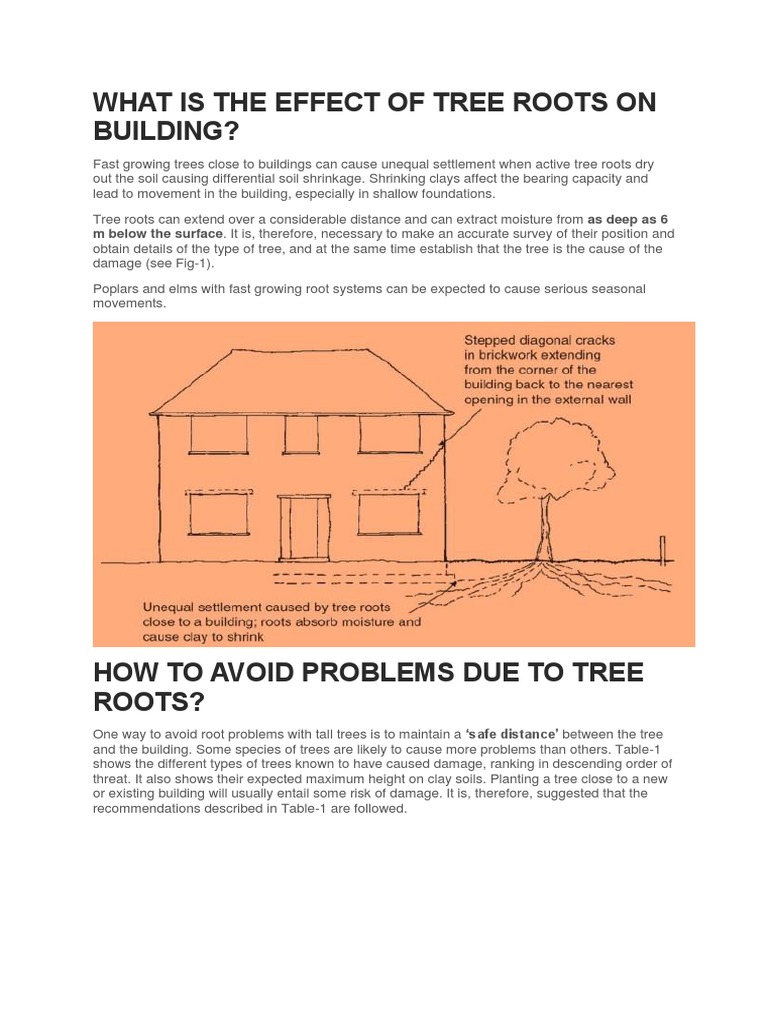
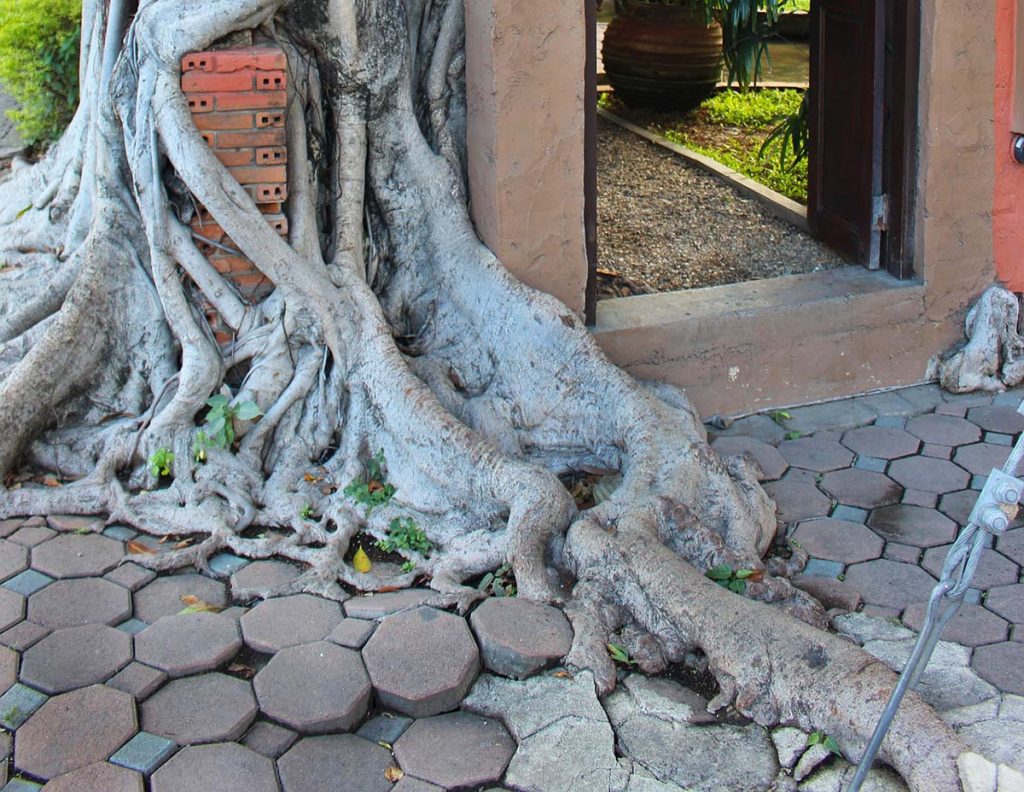
Tree roots, essential for a tree’s health and growth, can sometimes become a hidden threat to your home’s foundation. Over time, these tenacious roots can aggressively push against the foundation, leading to cracks, settling, and structural damage. Neglecting these issues can lead to significant financial burdens on homeowners. It’s vital to understand the relationship between your trees and your foundation to proactively address potential problems.
The Nature of Roots
Roots are always searching for water and nutrients. They spread laterally and downwards in pursuit of these resources, sometimes extending far beyond the tree’s canopy. This relentless growth makes them capable of exerting substantial pressure against the foundation if not managed carefully.
Identifying Potential Issues
One of the most critical aspects of addressing tree root damage is early detection. You may notice subtle cracks in the foundation, noticeable uneven settling of the ground surrounding your home, or even noticeable tilting of the house. Any of these signals are worth investigating promptly. Ignoring these tell-tale signs could lead to costly repairs down the line.
Preventative Measures for Root Intrusion
Strategic Planting
Planting trees strategically is crucial for preventing root intrusion damage. The first thing to remember is that some tree species tend to have more aggressive root systems than others. Research the specific tree species you are considering planting to fully understand its root system’s potential for intrusion. Appropriate spacing from the foundation, along with understanding the mature size and spread of the tree’s roots, can be very important.
Root Barriers
Implementing root barriers between the tree’s roots and the foundation can help to limit the area where roots can spread and cause damage. This is a very important step in preventative maintenance. These barriers can be made of various materials, such as plastic sheeting or metal mesh, and are effective in mitigating potential root damage. Proper installation of root barriers is a key part of minimizing future problems.
Water Management
Trees, like humans, need adequate water to survive. Ensure that the tree is properly watered, especially in dry seasons. Overwatering can also harm the roots and cause damage to the foundation. Maintaining a healthy balance in watering will make a difference in your tree’s health and also in minimizing root intrusion.
Remedial Actions for Existing Issues
Root Removal
Sometimes, proactive measures are not enough. If root damage has already occurred, professional root removal may be necessary. This process involves carefully excavating and removing the problematic roots. It’s a specialized task best handled by professionals using the right tools and equipment for a thorough job.
Foundation Repair
Once the roots are removed, foundation repair may be necessary. If the roots have exerted significant pressure against the foundation, structural damage may have occurred. Professionals will assess the damage and recommend appropriate repair solutions.
Tree Pruning and Maintenance
Maintaining trees in good health minimizes the risk of root intrusion damage. Pruning damaged branches and removing deadwood can reduce stress on the tree and promote better overall health, thereby helping to reduce root pressure around the foundation.
Long-Term Solutions for Protecting Your Home
Professional Inspections
Regular professional inspections of your home’s foundation and the surrounding tree roots can help identify potential issues early on. This proactive approach can help you make sound decisions about your planting practices and avoid costly repairs.
Soil Considerations
The type of soil in your yard can greatly affect the depth and spread of tree roots. Researching the ideal soil conditions for the specific tree species can help you maintain the health of the tree and minimize potential damage.
Regular Maintenance
The proper maintenance of trees and the home foundation are essential for avoiding costly repair issues down the road. This includes regular inspection, proper watering, and prompt action to address any issues promptly.
Case Studies and Examples
Case Study 1
A homeowner in Arizona discovered cracks in their foundation after a large oak tree was planted close to the house. Professional inspection and root removal resolved the issue. This underscores the importance of appropriate tree planting distances.
Case Study 2
A homeowner in the Pacific Northwest observed their foundation settling unevenly over time. Professional evaluation revealed extensive root damage by a mature maple tree. Root barrier installation and tree trimming mitigated further damage.
These are just two examples of how proactive measures can save homeowners significant amounts of money and headaches in the long run.
Choosing the Right Tree Species
Variety Matters
The selection of tree species for your landscaping significantly impacts the likelihood of root damage. Researching the specific mature size and root systems of various tree species is crucial to make informed decisions. Avoid trees known for extensive root systems if your house is close to the tree.
Expert Advice and Recommendations
Seek Professional Help
Whenever you suspect root damage to your home’s foundation, consult a qualified structural engineer or foundation specialist for a thorough inspection and assessment. They can identify the extent of the damage and provide recommendations for mitigation and repair. Professional advice is a valuable investment to ensure a healthy and safe home.
Frequently Asked Questions
What are the common signs of tree root damage to a foundation?
Common signs of tree root damage to a foundation include uneven settling, cracks in the foundation walls, doors and windows that stick, and water damage around the foundation. Also, listen for unusual sounds coming from around the base of trees. If you notice any of these signs, it’s important to investigate the potential root intrusion issues. A professional inspection can identify the extent of the damage and recommend appropriate solutions.
What preventative measures can I take to minimize root damage to my home’s foundation?
To minimize root damage, consider planting trees appropriately. Ensure that the tree’s root system won’t compete with the house’s foundation. Planting trees at a safe distance, using root barriers and choosing appropriate tree varieties for the location can help avoid damage. Regular watering and proper maintenance practices are also essential to prevent stress on trees which may lead to their searching for water in the foundation. If root damage is already present, immediate remediation is important for the longevity of your home.
In conclusion, understanding the impact of tree roots on your home’s foundation is crucial for homeowners. By proactively identifying potential issues, implementing preventative measures, and understanding the best solutions for root intrusion, you can protect your investment and avoid costly repairs down the road. Consider a professional inspection if you suspect root problems and work with a qualified contractor for any necessary repairs. Taking these steps can safeguard your foundation and extend the lifespan of your home.