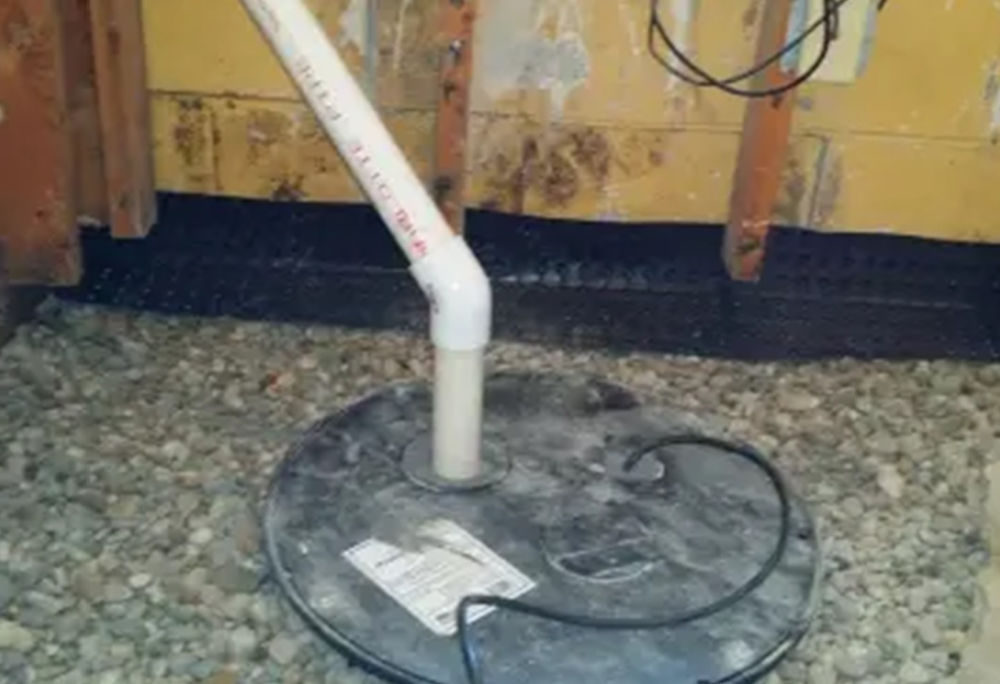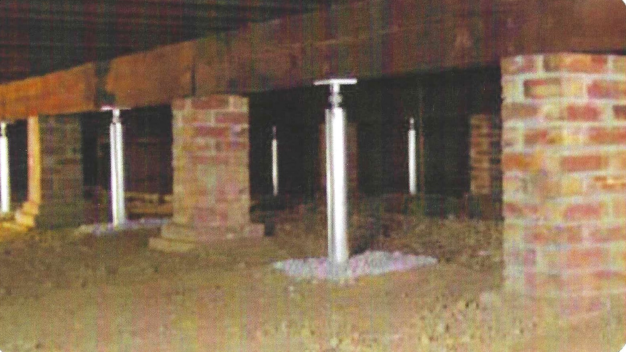
Leveling uneven floors is a crucial home improvement task for restoring a comfortable and safe living space. Imagine a house with floors that are wobbly and inconsistent – not only unsightly but also potentially dangerous. This article provides detailed insights and solutions for addressing uneven floors, including various foundation improvement strategies. We’ll explore why uneven floors occur, and delve into common issues that homeowners face, such as settling soil or inadequate subfloors. Ultimately, we’ll outline different solutions, from DIY repairs to professional interventions, suitable for various budgets and needs. The structure of the article includes a detailed look at subfloor issues, concrete slab solutions, and various leveling compound options.
Understanding the Root Causes of Uneven Floors
Identifying Common Problems
Uneven floors often signal underlying issues within the home’s foundation or structure. Significant factors leading to unevenness include settling soil, water damage, or improper subfloor installation. In cases of significant unevenness, structural issues like cracks in the foundation might necessitate professional intervention. Regular inspections and understanding these fundamental problems can help homeowners prepare for costly repairs, saving both time and money. Settling soil, especially in older homes or those built on unstable ground, can cause the floor to sag or warp over time. Water damage can also lead to uneven surfaces, particularly if the water has compromised the underlying structural components. Improper subfloor installation can lead to immediate issues, or a variety of problems that worsen over time. It’s essential to promptly address these issues to avoid future complications and property damage.
Subfloor Leveling Solutions
Assessing the Severity of Unevenness
Before diving into subfloor leveling solutions, an accurate assessment of the problem is key. The degree of unevenness will dictate the appropriate technique for restoring a stable floor. For minor unevenness, simple methods like adding a layer of specialized underlayment may suffice, while more significant issues demand more comprehensive solutions, such as using leveling compounds. An accurate assessment of the unevenness is critical. A visual inspection, coupled with some professional input, is a great starting point for accurately understanding the severity of the unevenness. In cases of extensive unevenness, it’s crucial to consider consulting a professional contractor to ensure the structural integrity of your home.
Concrete Slab Leveling Strategies
Repairing and Leveling Concrete Slabs
Concrete slab leveling is a more significant undertaking compared to subfloor leveling, especially when dealing with significant issues. It usually involves replacing or leveling a concrete slab to create a consistent and stable floor surface. Pouring a new slab is a significant process; it might be more cost-effective to perform necessary repairs if the slab remains intact and is just slightly uneven. This option is more expensive than DIY subfloor repair but might be necessary for addressing severe issues like extensive cracks or structural damage. If a professional contractor deems this approach necessary, it is a crucial step towards long-term stability and safety. This option is more commonly utilized for issues that affect multiple rooms or the entire home.
Utilizing Leveling Compounds
Choosing the Right Leveling Compound
Leveling compounds provide a cost-effective solution for minor to moderate unevenness in floors. Different types of leveling compounds cater to different levels of severity and the specific type of subfloor. A professional contractor can advise on the most suitable product for the specific subfloor and situation. Specialized compounds handle different degrees of unevenness, enabling homeowners to choose the right solution for their specific needs. For instance, self-leveling compounds are a popular choice for filling minor gaps and leveling slight inconsistencies. These solutions can be used to create a smooth and consistent flooring surface over uneven subfloors. The right compound can make a significant difference in the final aesthetic of the room.
Professional Contractor Involvement
Consulting with Experts
For substantial unevenness, or when working with complex subfloors, professional intervention is recommended. Contractors possessing expertise in foundation repair and floor leveling will have the necessary tools, expertise, and safety measures. Professional contractors can provide expert advice and ensure the structural integrity of your home. This often includes evaluating structural integrity and providing options to fix issues associated with the uneven flooring.
Understanding Potential Cost Implications
Contractors are adept at assessing the extent of the unevenness and determining the most appropriate solution, helping to avoid unnecessary costs. Their expertise helps identify hidden issues, preventing more extensive problems in the future. Ultimately, professional assessment saves time and reduces the risk of incorrect DIY approaches that could compromise the structural integrity of the home.
DIY Floor Leveling Options
Basic DIY Techniques
DIY methods can address minor unevenness. Leveling compounds are a DIY-friendly option. Carefully following instructions is crucial to achieving satisfactory results. For instance, the application of a self-leveling compound or the addition of a supplementary layer can sometimes be carried out successfully as DIY tasks. However, extensive unevenness might necessitate professional involvement. Always prioritize safety and follow manufacturer instructions for each product when attempting a DIY approach.
Preventative Measures
Implementing Maintenance Practices
Regular maintenance can prevent or mitigate future unevenness problems. Addressing minor issues promptly before they become significant is crucial in terms of saving money and preventing potential larger problems. Maintaining the structural integrity of your subfloors is an essential part of long-term maintenance. Taking proactive steps like addressing water damage immediately, ensuring proper drainage, and checking for cracks or signs of settling is recommended. These precautions can dramatically improve the lifespan of your flooring and the structural integrity of the home.
Selecting the Right Materials
Types of Flooring and Materials
The type of flooring you choose can greatly influence the effectiveness of any leveling solution. Wood, tile, or laminate flooring has different requirements for substrate preparation, ensuring it’s properly level before installation. Understanding these specific needs will help you avoid future complications with your flooring choices.
Ensuring Structural Integrity
Important Considerations
Always prioritize the structural integrity of your home when dealing with uneven floors. Seeking professional advice when necessary can significantly prevent problems from escalating into major structural concerns. Ensuring the safety of the home structure is crucial. Understanding potential structural problems allows for proactively addressing underlying issues and avoiding more costly repairs in the future.
Frequently Asked Questions
What are the most common causes of uneven floors?
Uneven floors can stem from various issues, including settling soil, structural problems in the foundation, water damage, or improper installation of subfloors. Improperly installed flooring materials like wood or laminate can also lead to issues. Understanding the underlying cause is key for implementing the appropriate leveling method. Often, foundation cracks or shifting due to earth movement are significant factors in uneven surfaces. Analyzing the extent of the issue, considering its potential ramifications, and having a professional inspection is crucial in resolving the issue permanently.
How much does leveling uneven floors typically cost?
The cost of leveling uneven floors varies greatly depending on several factors, including the extent of the problem, the materials needed, the complexity of the work involved, and any additional structural support necessary. Labor costs can differ significantly based on the contractor’s experience and location. For a precise cost estimate, it’s highly recommended to get multiple quotes from qualified contractors in your area. They should provide detailed breakdowns of their services, including the types of materials and labor involved.
What are the different types of leveling methods available?
Various methods exist for leveling uneven floors, ranging from using leveling compounds for minor issues to more extensive solutions like pouring a concrete slab or using specialized underlayments. The most suitable method will depend on the specific type and extent of the unevenness and the structural integrity of the house. Understanding the various types of leveling compounds and their suitability for different situations is essential before making a decision. Options also include using self-leveling compounds and even specialized flooring installation techniques, each with their own pros and cons.
In conclusion, leveling uneven floors is a significant home improvement project that requires careful planning and execution. Understanding the various methods and considering the specific needs of your home is crucial to achieve a successful outcome. By choosing the right solution—whether it’s subfloor leveling compounds, specialized flooring installation, or a combination of methods—you can ensure a safe, stable, and aesthetically pleasing living space. If you’re still unsure about the best approach for your uneven floors, consider consulting with a professional contractor for personalized advice. Contact us today for a free consultation!