Underpinning your foundation is a crucial home improvement process that addresses potential structural issues and protects your property investment. Imagine a house settling unevenly, cracks appearing in the walls, or the floor feeling unstable. These signs might indicate serious foundation problems requiring a comprehensive solution. This article delves into the world of underpinning, explaining what it is, why it’s necessary, and how it can safeguard your home for years to come. We’ll explore common foundation issues, discuss the underpinning process step-by-step, and show you how to choose the right professionals to handle this important task. We will also examine potential costs and factors to consider before undertaking this extensive project. Are you ready to understand the complexities and benefits of underpinning your foundation?
Understanding the Importance of Foundation Underpinning
Foundation Issues: A Common Problem
Many homeowners face issues with their foundation over time. From minor settling to severe cracks, these problems can lead to structural damage, property value reduction, and even safety concerns. Identifying and addressing these problems head-on is crucial. Foundation settling is a common issue due to soil compaction, erosion, or shifts in the ground underneath the structure. Water damage can also lead to issues. Ignoring these signs early on can result in costly and extensive repairs later. This is why underpinning is important for property maintenance.
The Role of Underpinning
Underpinning is a specialized process that strengthens the foundation of your home. This method involves adding support beneath the existing foundation, preventing further settlement and correcting any existing issues. In essence, it creates a more robust and stable base for the house, minimizing the risk of further damage. This process often involves specialized knowledge and equipment and can involve substantial time and costs. Proper underpinning should be carefully considered and a consultation with professionals is strongly encouraged.
Underpinning: A Comprehensive Solution for Foundation Problems
Underpinning is a complex process; it can either involve digging underneath the home or placing supports to lift and stabilize the settling portions of the foundation. Underpinning offers a reliable way to address a broad range of issues related to foundation structural stability. This method involves various techniques, each tailored to the specific needs of the home. It’s important to consider that the extent of the underpinning work depends on the severity of the foundation problems. A qualified contractor can provide a thorough assessment and outline the most effective course of action.
Choosing the Right Approach
The right underpinning solution depends on the specific needs of the home. The approach could range from a relatively straightforward underpinning to a more complex one depending on the severity and type of issues. This varies from home to home and is why professionals in the field are essential. It’s also essential to consider the costs, timeline, and potential disruptions associated with each approach before making a final decision. A proper consultation with a foundation specialist is key to finding the best solution.
Potential Costs and Factors to Consider
Underpinning is an investment that will help maintain and increase the longevity of the home. It’s important to be aware of factors that may increase costs such as the complexity of the issue, the specific materials or equipment used, and any additional structural repairs that may be needed. It’s essential to compare estimates from different contractors and to prioritize safety.
Evaluating Foundation Issues
Identifying Early Warning Signs
Early detection of foundation issues is vital for minimizing potential damage. A proactive approach is key to preventing major problems. Visible cracks in walls, uneven floors, doors or windows that stick, and gaps around windows or doors are just some of the telltale signs. Inspecting these aspects regularly can be beneficial. Professional guidance should be sought out if any of these issues appear.
Comprehensive Assessment by Professionals
Expert assessment is crucial to understand the severity of the problem and its extent. A qualified foundation specialist can identify structural damage, determine the root cause, and outline a comprehensive solution that addresses the specific issue. Properly trained and licensed contractors are key to avoiding unexpected problems and delays.
The Underpinning Process: A Detailed Overview
Excavation and Support Installation
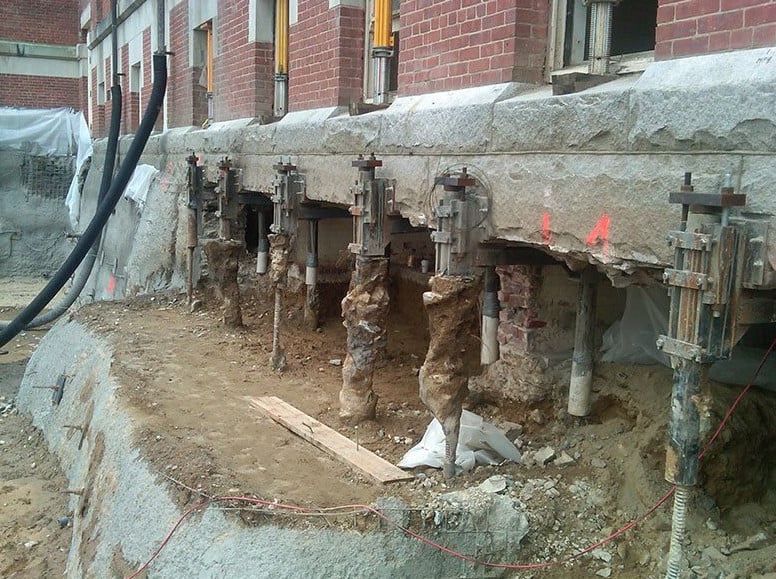
The underpinning process begins with careful excavation around the foundation to create space for support structures. This process usually involves specialized equipment to ensure minimal disruption to the surrounding area. Supporting structures are then strategically installed to provide the required stability and support.
Different Types of Underpinning Techniques
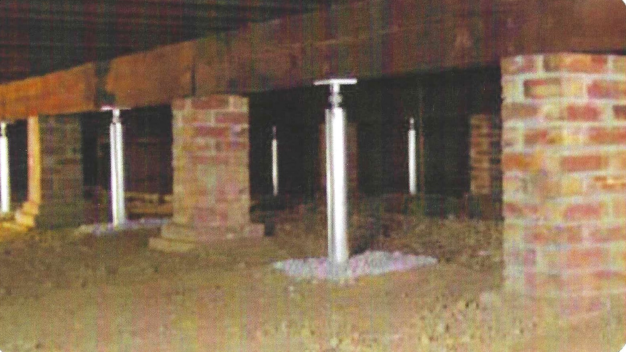
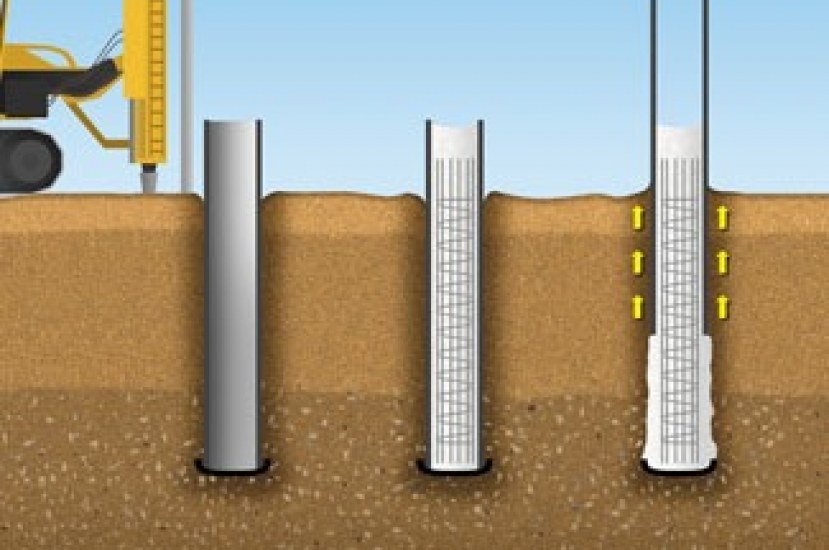
Different types of underpinning techniques exist. For example, underpinning can involve using piers, beams, or other support structures to lift and stabilize the affected parts of the foundation. These choices are made in consultation with a professional and depend on the unique needs of the property.
Monitoring and Verification of Results
Monitoring the process to verify its effectiveness is also vital for long-term results. Verification of the underpinning is a key aspect in ensuring the success of the work. Post-underpinning observation is essential for achieving lasting benefits.
Addressing Additional Issues
Addressing any associated issues, such as water damage, drainage problems, or soil instability, is crucial during the process to ensure a sustainable result. Properly addressing issues in the foundation can protect the home from future problems.
The Cost of Underpinning Your Foundation
Factors Affecting the Total Cost
Several factors influence the overall cost of underpinning. The severity of the foundation issues, the complexity of the project, and the materials used are key determinants. For example, different types of underpinning and any additional structural repairs will influence the final cost.
Obtaining Accurate Estimates and Budgeting
Obtaining accurate estimates and understanding the potential budgeting for underpinning is critical before beginning the process. This will help homeowners to be proactive in their planning and budgeting.
Financing and Potential Alternatives
Financing options for underpinning are sometimes available, and exploring these can help with managing the costs. It’s also wise to research potential alternatives to underpinning and weigh them against the longer-term costs and benefits of this home improvement solution.
Selecting the Right Professionals
Contractor Qualifications and Experience
Choosing a qualified and experienced underpinning contractor is essential. Look for contractors with a proven track record, relevant certifications, and a solid understanding of foundation repair and underpinning techniques. Consult reviews from previous clients as well.
Checking Licensing and Insurance
Verify the contractor’s licensing and insurance to ensure they’re legally permitted to perform the work and have appropriate liability coverage.
Requesting References and Recommendations
Requesting references and recommendations from past clients can provide valuable insight into the contractor’s reliability, quality of work, and overall professionalism. Checking online reviews is also a good approach.
In conclusion, underpinning your foundation is a crucial home improvement step to ensure a structurally sound and aesthetically pleasing home. By understanding the different aspects of foundation repair and maintenance, homeowners can prevent costly issues and maintain a happy, healthy living environment. To get started, schedule a consultation with a reputable contractor who can assess your home’s foundation and provide tailored solutions. A strong foundation is essential for long-term home value and enjoyment. Contact a contractor for a free quote today!