Seal the Deal: Improving Home Energy with Efficient Doors is a comprehensive guide to understanding the pivotal role of efficient doors in optimizing your home’s energy consumption. A poorly insulated door can be a significant drain on your energy budget, leading to higher utility bills and contributing to a larger carbon footprint. Doors, often overlooked in energy efficiency discussions, actually play a critical role in maintaining a comfortable and cost-effective indoor environment. The energy used to heat and cool your home accounts for a considerable portion of your household bills, and doors are a significant point of entry for thermal transfer, impacting overall energy efficiency. This article explores various facets of efficient door technology, providing you with the knowledge and tools needed to make informed decisions about your home’s energy performance. We’ll cover door materials, installation techniques, and other factors that affect the energy efficiency of your home. Read on to understand how smarter door choices can greatly improve your home energy efficiency!
Understanding the Impact of Doors on Home Energy Efficiency
The Significance of Door Selection
In the quest for a more sustainable and energy-efficient home, many homeowners overlook a crucial element: the doors. These seemingly simple components significantly influence your energy consumption. The right door can significantly reduce heat transfer, minimizing the need for heating and cooling, resulting in considerable savings on your energy bills. A poorly insulated door, on the other hand, allows substantial heat loss during winter and heat gain during summer, dramatically increasing energy consumption. This often overlooked factor can lead to higher utility bills and a greater carbon footprint.
Choosing the Right Materials for Efficient Doors
Exploring Different Door Materials
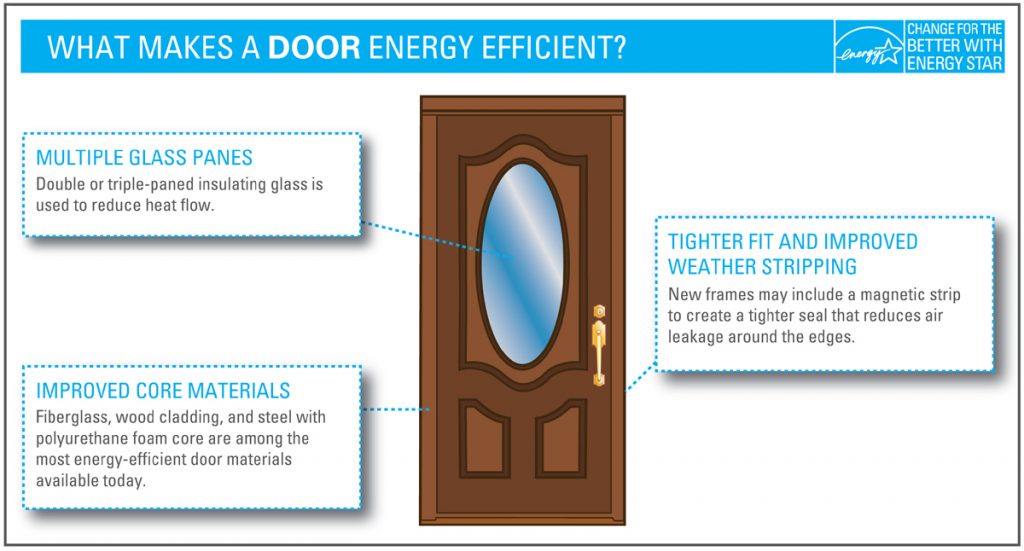
The material of a door plays a crucial role in its energy-efficiency performance. Wood, while aesthetically appealing, often presents lower insulation values compared to more modern materials. Fiberglass doors offer enhanced insulation, and composite doors offer an excellent balance of cost-effectiveness and performance, with a high level of thermal resistance. Metal doors, particularly those featuring advanced insulation, can also yield significant energy savings. Understanding the properties of each material is essential to selecting the right door for your needs.
The Critical Role of Air Sealing and Installation
Ensuring Tight Seals and Proper Installation
Air sealing around the door frame is paramount for maximizing energy efficiency. Gaps and cracks between the door and frame allow significant air leakage, leading to energy loss. Proper installation, encompassing techniques like weatherstripping and sealing gaps, is crucial for creating an airtight seal and optimizing energy efficiency. A professional installation ensures a tight fit, preventing drafts and maintaining optimal thermal performance. Additionally, regular maintenance, such as checking and replacing weatherstripping as needed, helps to maintain the door’s energy-efficiency performance over time.
Leveraging Energy Star Ratings for Informed Decisions
Understanding Energy Star Standards
Energy Star is a widely recognized program that offers a standardized framework for evaluating and rating the energy efficiency of products, including doors. By adhering to specific criteria, doors achieving Energy Star certification provide enhanced insulation and reduced energy loss. The Energy Star ratings provide an objective measure of energy efficiency, aiding homeowners in selecting doors that align with their sustainability goals. This certification provides assurance of substantial energy savings in the long run.
Real-World Applications and Case Studies
Examples of Efficient Door Implementation
Numerous case studies demonstrate the impact of energy-efficient doors on homeowner savings. Homeowners who replaced their older, drafty doors with high-performance models often reported significant reductions in energy consumption, translating into noticeable drops in utility bills. These positive outcomes illustrate the practical benefits of incorporating energy-efficient doors into home improvement strategies.
Enhancing Comfort and Reducing Energy Costs
The Connection Between Comfort and Efficiency
Installing efficient doors translates directly into increased comfort and significantly reduced energy costs. The reduced drafts and heat transfer enhance indoor comfort, making it easier to maintain a consistent temperature throughout the home, especially during extreme weather conditions. In addition to improved comfort, home energy efficiency also reduces monthly utility bills, saving homeowners money over time.
Integrating Efficient Doors into your Home Improvement Plans
Planning for Replacement or Installation
Incorporating efficient doors into your home improvement plans is a smart investment. An assessment of current door performance and an evaluation of the most efficient options are important first steps. When planning, factors like budget, aesthetic preferences, and potential resale value should be taken into account. This assessment helps to align choices with long-term goals and maximize the return on investment.
Frequently Asked Questions
What are the key factors to consider when choosing energy-efficient doors?
When selecting energy-efficient doors, prioritize materials like high-performance insulation, airtight seals, and durable construction. Consider the U-value (thermal resistance) rating, which indicates how effectively the door resists heat transfer. Also, look for doors that meet or exceed energy-efficiency standards like Energy Star. The type of glass used in the door (e.g., double-paned, insulated glass) is also crucial to reduce energy loss. Lastly, ensure proper installation and air sealing around the door frame.
In conclusion, sealing the deal on home energy efficiency starts with choosing the right doors. High-performance doors significantly reduce energy loss, positively impacting your monthly bills and the environmental footprint of your home. By considering factors like insulation, air sealing, and energy star ratings, you can make smart investments that benefit your wallet and the planet. Ready to improve your home’s energy efficiency? Explore our selection of top-rated doors today!