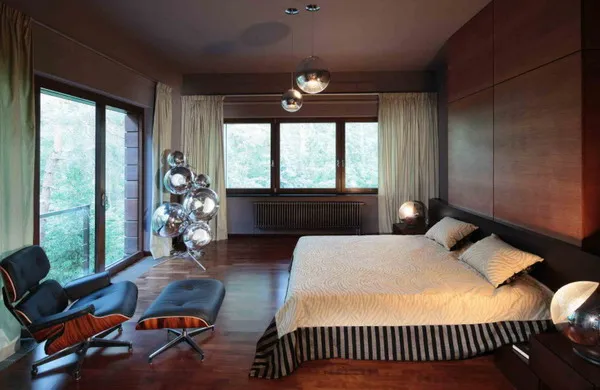
Modern furniture trends in 2025 are pushing boundaries, blending innovative designs with a renewed emphasis on sustainability. This shift is reflecting a wider societal commitment to eco-friendliness, influencing not only the materials used but also the production methods behind the furniture. Modern furniture represents more than just aesthetic appeal; it’s a statement about lifestyle choices and environmental consciousness. Many homeowners are facing challenges in balancing the desire for contemporary styles with practical concerns regarding budget and sustainability. This article will delve into the emerging trends, offering guidance on how to seamlessly integrate these stylish and sustainable designs into your home.
Embracing Bold Aesthetics in 2025
Sleek Silhouettes and Geometric Shapes
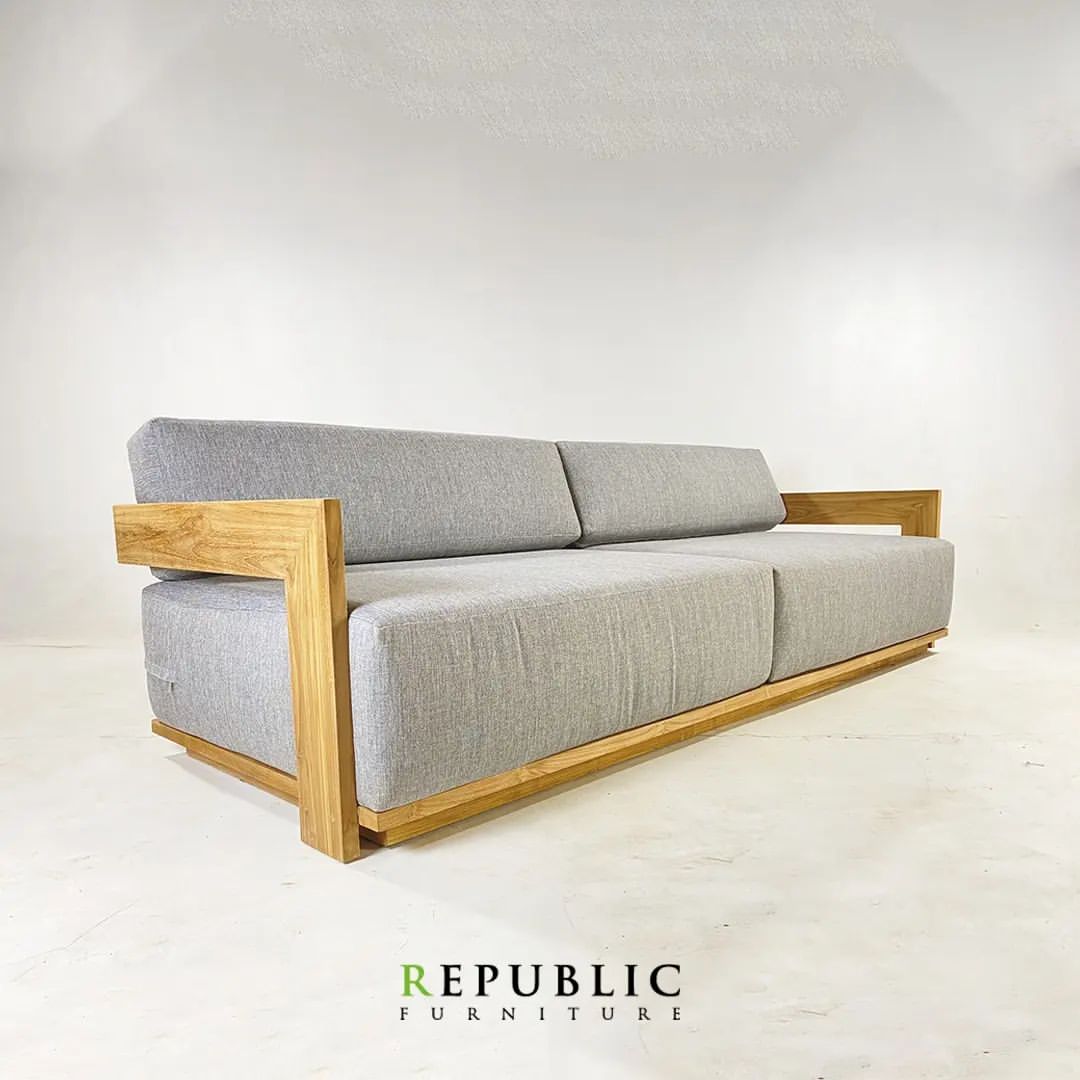
Geometric shapes and clean lines will continue to dominate. Furniture with crisp edges and minimalist designs reflect a desire for elegance and simplicity in contemporary living. Consider a statement sofa with sharp angles and geometric patterns or a coffee table with angular legs. These pieces create a focal point while maintaining an overall sense of sophistication.
Fusion of Colors and Textures
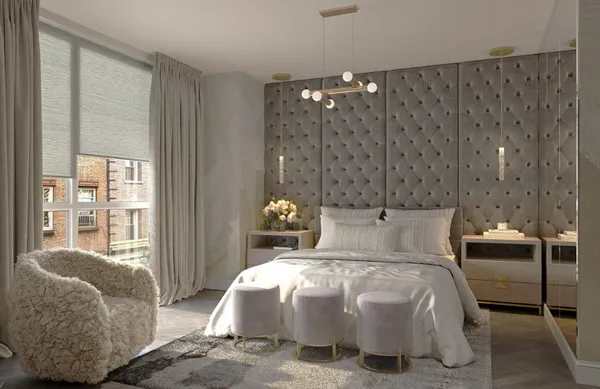
This year sees a daring fusion of colors and textures. Expect to see bold color palettes complemented by luxurious textures. Deep blues, rich greens, and warm terracotta are likely to be prominent, juxtaposed with tactile materials like velvet, linen, and leather. Mixing and matching contrasting materials adds depth and visual interest to the space. This trend reflects a desire for unique and personalized spaces.
Biophilic Design: Connecting with Nature
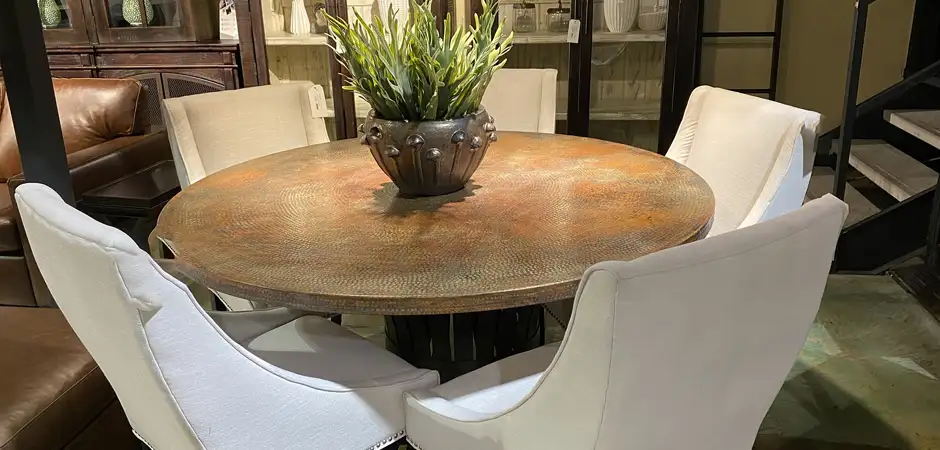
Nature-inspired designs are making a strong comeback in 2025. This biophilic design approach prioritizes natural elements, creating a sense of connection with the outdoors. Incorporate plants, wood accents, natural fibers, or organic shapes into the furniture pieces to create a soothing and holistic atmosphere.
Customized Furniture
Customization is taking center stage in 2025’s modern furniture trends. Customers are increasingly seeking furniture that perfectly matches their individual needs and preferences. Modular sofas, adjustable desks, or bespoke cabinetry exemplify this trend, allowing homeowners to tailor furniture to specific spatial requirements and personal tastes. This trend emphasizes personalization and practicality.
Eclectic Mixing and Matching:
The boundaries between styles are blurring in 2025’s furniture world, leading to a trend of mixing and matching various elements and aesthetics. A perfect blend of modern sleekness with vintage charm, or the playful combination of bohemian elements and contemporary sophistication. This dynamic approach allows for greater creativity and ensures a space truly reflects the personality of the owner.
Prioritizing Sustainability and Eco-Friendliness
Recycled and Upcycled Materials
The growing demand for eco-conscious furniture solutions drives the use of recycled and upcycled materials. The industry is embracing innovative approaches to furniture creation, utilizing waste materials like reclaimed wood or recycled plastics to create stylish and sustainable pieces. These options offer a unique and often surprisingly elegant character while reducing environmental impact.
Sustainable Materials
Bamboo, cork, and reclaimed wood are being widely employed in furniture production due to their sustainability characteristics. Bamboo, known for its rapid growth rate, offers a robust and aesthetically appealing alternative to traditional wood. The trend towards sustainable materials is a reflection of increased awareness about environmental issues and a commitment to eco-friendly choices.
Minimalist designs
Minimalist designs contribute to sustainability by reducing resource consumption. Minimalist furniture often involves sleek, functional forms, made with a focus on quality and longevity. These pieces often require less material for construction, thereby promoting a conscious approach to resource utilization. This trend reflects the growing importance of mindful consumption and long-term value in furniture.
Manufacturing Processes
Focuses on minimizing waste and maximizing efficiency within furniture production. This is achieved through innovative manufacturing processes that cut down on waste, reducing the environmental footprint of furniture manufacturing and lowering costs.
Transparency and traceability
Companies are prioritizing ethical sourcing, fair labor practices, and transparency in their supply chain. This trend fosters trust and commitment to sustainable business practices and builds public confidence in the integrity of their products.
Innovative Furniture Designs
Interactive and Multifunctional Furniture
Multifunctional furniture pieces are becoming increasingly popular. This trend encompasses sofas with hidden storage, beds that transform into desks, or tables that double as seating areas, maximizing space and functionality.
Smart Furniture
Integrating technology into furniture is a growing trend, providing greater functionality and personalization. Examples include desks with built-in charging ports, lighting systems that adjust to ambient light levels, and sofas that can monitor user preferences for temperature or posture.
Modular Furniture
Modular furniture allows for customization and flexibility in arrangement. It provides an opportunity to adapt designs to specific needs and preferences. A notable trend is using modular furniture systems in spaces that require versatile layouts, such as homes or offices with various uses.
Furniture with built-in features
Furniture with built-in features is becoming quite popular, reflecting a desire for maximized space optimization and personalized comfort. These features may include integrated storage, charging ports, or adjustable height options that address diverse needs of users. This highlights the rise of furniture that goes beyond aesthetics, integrating features that enhance usability and convenience.
Furniture made with 3D Printing
3D printing is revolutionizing the manufacturing process, enabling the production of complex and customized pieces with unprecedented precision. This opens doors for unique and complex designs, offering a more sustainable path for personalized creations.
Creating Cozy and Functional Spaces
Focus on comfort and relaxation
Comfort and relaxation are high on the priority list in interior design. People are increasingly seeking out furniture that provides physical and emotional comfort, creating spaces that promote rest and rejuvenation. This focus on wellbeing is reflected in designs focused on ergonomics and the overall feel of a space.
Combining Functionality with Style
Integrating stylish aesthetics with practical functionality is a key focus in 2025 furniture trends. Prioritizing pieces that offer a balance between form and function ensures that every element enhances both the visual appeal and the utility of the space.
Personalization and Storytelling Through Furniture
Furniture choices reflect personal style and lifestyle. Furnishing a space with pieces that connect with personal stories and convey specific aesthetic preferences is a crucial aspect of expressing individuality.
Emphasis on Natural Elements
The desire to incorporate the beauty of nature into the interior design is becoming increasingly significant. Incorporating organic textures, natural materials, and plants enhances a space’s aesthetic appeal and promotes a tranquil atmosphere.
Flexible Living Spaces
Spaces that can adapt to various needs and activities are essential. Furniture designed to adapt to different uses fosters a more versatile and dynamic living experience, creating a harmonious environment that accommodates different needs and activities.
Understanding Consumer Needs and Preferences
Emphasis on Durability
Durability is now a key factor in modern furniture choices, with a preference for high-quality materials and sturdy construction. Customers are seeking furniture that can withstand daily wear and tear, investing in lasting designs.
Focus on Sustainability
Concern for the environmental impact of products is driving a heightened awareness for sustainable practices. This trend encompasses environmentally responsible choices and the materials employed, indicating a growing demand for eco-friendly solutions.
Integration of Technology
The integration of technology into furniture solutions is a significant factor, emphasizing the need for furniture that seamlessly incorporates functionality and technological advancements.
Value for Money
The pursuit of value for money is a constant in consumer behavior. This includes careful consideration of price points, particularly in the context of the ongoing trends influencing material choices and design elements.
Focus on Wellbeing
The importance of prioritizing wellbeing has become more evident in modern furniture design, with an increasing demand for furniture that aligns with physical and emotional comfort and caters to individual needs.
FAQ
What are the most popular sustainable furniture materials in 2025?
Sustainable furniture options are gaining popularity in 2025 due to growing environmental awareness. Recycled and reclaimed wood are prominent choices, offering a unique character and minimizing environmental impact. Bamboo, known for its quick growth rate and durability, is another increasingly favored material. Furthermore, innovative materials like mycelium, a type of fungus that can be molded into furniture, are being explored for their impressive sustainability credentials. Beyond the materials themselves, the manufacturing processes are equally critical, seeking to minimize waste and maximize resource efficiency. Consumers are becoming more discerning, valuing not just the material used but the entire lifecycle of a piece of furniture.
In conclusion, modern furniture trends in 2025 are all about embracing bold aesthetics, sustainable choices, and innovative designs. From incorporating natural materials to embracing eclectic styles, the future of furniture is brimming with exciting possibilities. By staying informed about these trends, you can create a home that is both stylish and sustainable. Explore the diverse options and discover your ideal aesthetic, and remember to prioritize quality, durability, and the environmental impact of your choices. Ready to update your home? Browse our curated selection of modern furniture today!