Choosing the right kitchen cabinets—base, wall, or tall—is fundamental to a functional and aesthetically pleasing kitchen design. Imagine a perfectly organized space, where every dish and utensil has its place. This crucial decision impacts not only storage efficiency but also the overall flow and style of your kitchen. Many homeowners struggle with selecting the appropriate cabinet types, leading to wasted space and decreased workflow. This guide will walk you through the differences between base, wall, and tall cabinets, helping you make the best decision for your kitchen. We will explore their unique functionalities, various design considerations, and essential tips to maximize storage and workflow efficiency.
Understanding Base Cabinets
Base Cabinet Basics
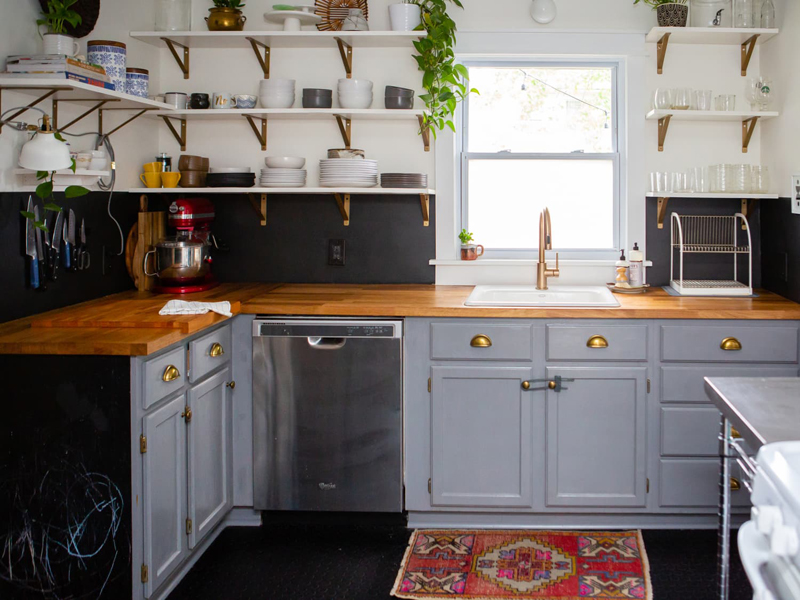
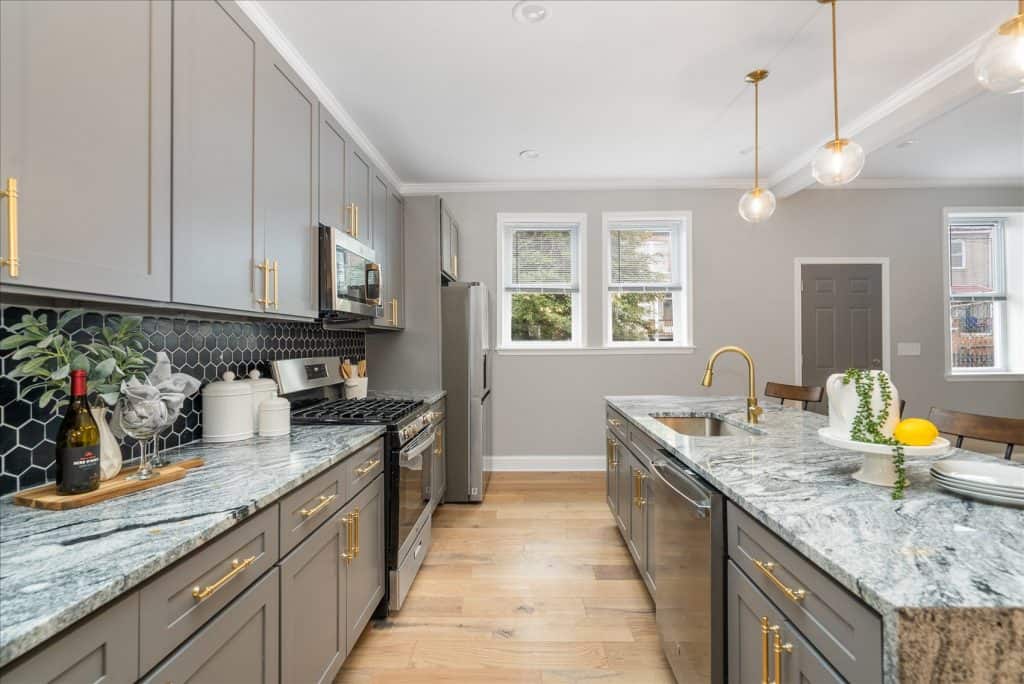
Base cabinets are the foundational storage units in a kitchen, typically located beneath counter space. They are designed to provide ample storage for various kitchen essentials, such as dishes, cookware, and pantry items. Their functionality is directly linked to how they fit into the overall kitchen design. Often made from durable materials like wood or laminate, they are available in various sizes, shapes, and styles, from traditional to modern. The optimal placement and sizing of base cabinets are essential for seamless functionality and workflow in a kitchen. The correct measurements and thoughtful placement will ensure easy accessibility. Choosing the right base cabinet style can enhance the overall aesthetic appeal of the space.
Design Considerations
Base cabinets come in various styles, with finishes ranging from painted to natural wood tones. Consider your kitchen’s existing aesthetic when selecting base cabinets. For example, a farmhouse kitchen might benefit from shaker style cabinets, while a contemporary kitchen might be best suited by sleek, modern styles. Base cabinet designs also impact the overall flow and layout of the kitchen. The perfect choice balances functionality with a coherent kitchen design.
Functionality and Versatility
Base cabinets are incredibly versatile, providing storage space and work surface areas for everyday activities. Features like drawers, shelves, and pull-out containers enhance storage efficiency. Furthermore, the materials and construction of base cabinets influence their longevity and resistance to daily wear and tear. Factors like durability and weather resistance are important.
Exploring Wall Cabinets
Wall Cabinet Features
Wall cabinets, located above counter space, are an essential component of a kitchen’s storage system. They offer a significant amount of storage space for various kitchen items. They are typically designed to complement base cabinets, creating a cohesive look while maximizing functionality. These cabinets are often utilized to house dishes, glassware, cooking utensils, or decorative elements. Their height and design considerations are crucial for maximizing kitchen storage and improving workflow.
Design and Placement
Wall cabinets come in a broad range of styles and sizes, perfectly matching different design preferences. The placement and layout of these cabinets are critical for functionality and overall aesthetic appeal. The number of shelves, the type of hardware, and the material are important considerations. Consider the height of wall cabinets carefully in relation to the height of countertops, as this can impact overall kitchen flow and make it easier for the user to utilize wall cabinets effectively.
Enhancing Kitchen Aesthetics
Wall cabinets are not only functional but also contribute significantly to a kitchen’s aesthetic. The style of wall cabinets can significantly impact a kitchen’s ambiance. Colors, materials, and decorative elements can greatly enhance the overall aesthetic of your kitchen while improving its functionality and accessibility.
Demystifying Tall Cabinets
Purpose and Potential
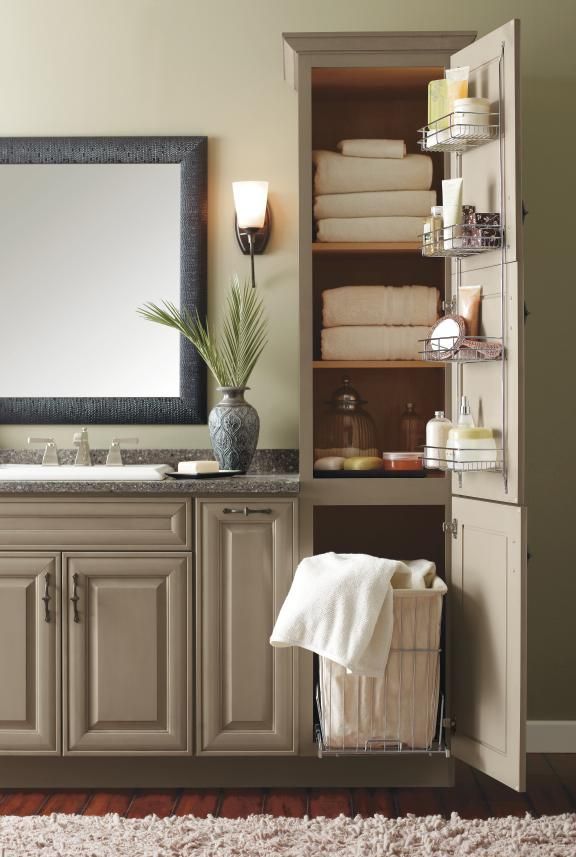
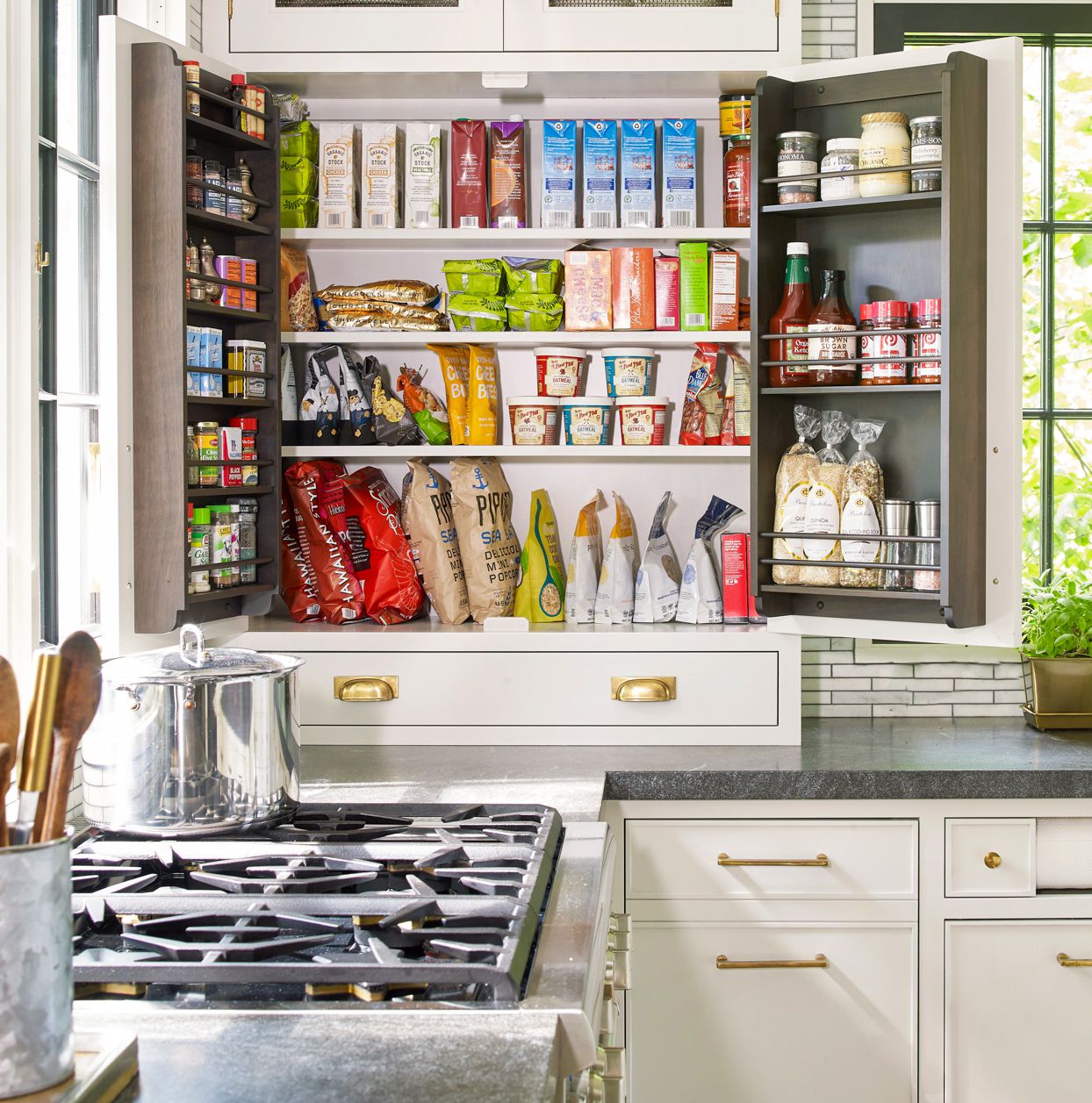
Tall cabinets, often referred to as pantry cabinets, offer more vertical storage solutions. They are invaluable for maximizing storage space in areas where floor space is limited. These cabinets are an excellent choice for storing large quantities of items like canned goods, dry ingredients, and seasonal or rarely used items. They are an indispensable part of a well-organized kitchen, contributing significantly to kitchen storage efficiency. They often serve as a pantry, and they significantly enhance the organization of your kitchen.
Design Considerations and Organization
When selecting a tall cabinet, consider the material, storage options, and overall design. Different designs provide different types of storage options, like drawers, shelves, or dividers. The choice of design will have a notable impact on how items are stored. Consider how you frequently access the items that you will place inside these cabinets. Optimizing the organization within the cabinet is just as crucial as choosing the correct type of cabinet.
Integration and Workflow
Tall cabinets are crucial for keeping your kitchen organized and easily accessible. They offer extra storage space in areas like pantries or other storage areas. Careful consideration of functionality and layout ensures that tall cabinets improve, rather than hinder, your kitchen workflow. A well-organized tall cabinet allows for easy access to frequently used items, minimizing clutter and wasted time.
Choosing the Right Cabinets for Your Kitchen
Understanding Your Needs
The best approach is to assess your specific kitchen requirements before making a selection. Kitchen dimensions, layout, and personal preferences should determine the cabinet selection. Consider storage requirements, appliance placement, and existing cabinetry, which can significantly influence the best choice for you.
Layout Considerations
The layout of your kitchen is a pivotal factor in determining the right types of cabinets to use. Factors such as the placement of countertops, appliances, and existing cabinetry must be considered. The position of these components can greatly influence how you arrange and access your base, wall, and tall cabinets.
Budget and Aesthetics
Budget and personal aesthetic preferences are two other factors to consider when choosing cabinetry. Prices and materials can differ substantially between different cabinet types, so evaluate your budget and consider if the price difference is worth the aesthetics.
Additional Considerations for Choosing the Right Kitchen Cabinets
Maximizing Storage
Maximizing storage space is critical in any kitchen. Base, wall, and tall cabinets can help maximize your storage. The arrangement of different cabinet styles can significantly impact overall storage capacity. Consider adding shelves or organizers to further increase storage capabilities.
Workflow Optimization
Improving workflow and efficiency in your kitchen is also essential. Choose cabinet layouts and positions that enhance accessibility to frequently used items. Consider placing frequently used items in accessible locations, such as lower base cabinets or wall cabinets at appropriate eye level.
Matching Cabinet Types
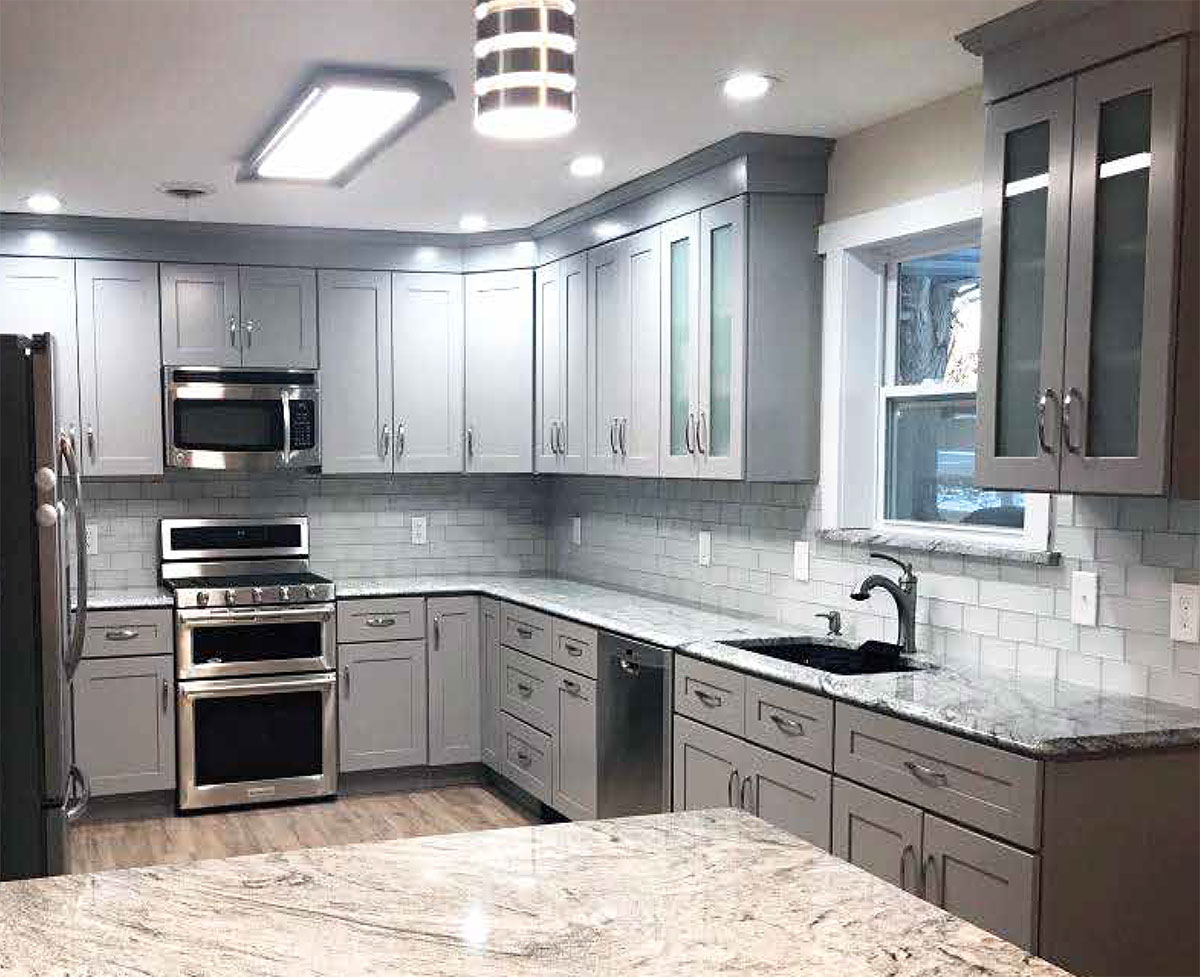
Matching wall and base cabinets is crucial for establishing a cohesive and well-designed kitchen. Using a consistent style in base, wall, and tall cabinets provides a cohesive appearance while improving workflow and organization in your kitchen.
Conclusion of the 10 Essential Tips
The Significance of Budget and Functionality
FAQ:
What are the key differences between base, wall, and tall cabinets?
Base cabinets provide storage space for lower areas of the kitchen, while wall cabinets offer storage solutions above countertop levels. Tall cabinets, in contrast, provide more vertical storage options, often used for pantries or extra storage needs. Consider the specific functionalities and how they integrate with your overall kitchen design.
How do I determine the right size for base cabinets?
Base cabinet sizing is crucial for adequate workspace and storage. Measure your kitchen space to calculate required dimensions. Consult with professionals for optimal configurations, and consider the height and width of items you commonly store in the base cabinets. Adequate space will ensure proper functionality and workflow in the kitchen.
What are some common mistakes to avoid when choosing cabinet types?
One common mistake is not accounting for space limitations. Ensure there’s enough space between cabinets and counters to accommodate appliances and movement. Another mistake is neglecting the aesthetic effect of the cabinet types. Think about how different styles complement each other.
In conclusion, choosing the right kitchen cabinets—base, wall, or tall—is crucial for maximizing space and achieving a functional and aesthetically pleasing design. Consider your needs, layout, and style preferences when making your decision. Remember to factor in the overall look you want to create for your kitchen, as different cabinet types suit different aesthetics. Ultimately, the best choice depends on your specific circumstances and priorities. For further assistance or to explore more kitchen design ideas, consult with a professional interior designer or visit our website for a comprehensive guide. Don’t hesitate to contact us with any questions you may have. Choosing the right cabinets is a significant step in your kitchen renovation journey.