Choosing smart appliances that can be controlled remotely via smartphone is a smart move for anyone seeking a more convenient and efficient home. This guide will delve into the world of these advanced devices, covering everything from selecting the right appliances to maximizing their functionality. We’ll explore the benefits, potential drawbacks, and essential considerations to make your home more intelligent and connected.
Smart appliances offer homeowners unprecedented control and convenience. Imagine effortlessly adjusting the thermostat from across the country or preheating your oven while still at the office. But the range of smart options can be overwhelming. This article simplifies the process, tackling the challenges and equipping you to make informed decisions about these exciting new technologies. We will cover the different types of smart appliances, highlight their functionalities, and provide helpful tips for finding the best options for your individual needs. This guide will take you through a step-by-step approach to finding, buying, and enjoying smart appliances controlled from your phone.
Unveiling the Power of Smart Appliances
Understanding the Basics
Smart appliances, or connected appliances, are quickly revolutionizing how we interact with our homes. Their ability to connect to your smartphone and other devices through Wi-Fi or Bluetooth allows you to monitor and control them remotely. This convenience is transforming everyday tasks and streamlining home management. By streamlining these interactions, they allow for greater energy efficiency, enhanced security, and improved overall organization within the home. With this convenient control at your fingertips, managing household tasks becomes effortless.
Identifying the Challenges
Choosing the right smart appliances can seem daunting. The sheer variety of models, brands, and features can be overwhelming. Not all smart appliances are created equal, and understanding the specific capabilities of each is key to choosing the right fit for your lifestyle. Cost is another consideration, with smart appliances often commanding a premium over their traditional counterparts. Ensuring that the selected appliances are reliable and seamlessly integrate with existing home systems is also vital for a trouble-free experience. This guide aims to address these challenges.
Smart Appliances: Beyond the Basics
Exploring the Diverse Types
The spectrum of smart appliances is vast, ranging from refrigerators and ovens to washing machines and even light bulbs. Smart refrigerators allow you to keep track of inventory, schedule orders, and even manage meal planning. Smart ovens provide precise temperature control and automated cooking schedules, letting you preheat and manage recipes from afar. Smart dishwashers can be scheduled for specific times, maximizing efficiency and minimizing water and energy consumption. Smart laundry appliances offer similar benefits, optimizing washing cycles and drying times. These features can save significant energy and water, aligning with contemporary environmental concerns.
Remote Control and Smartphone Integration
The Core Functionality
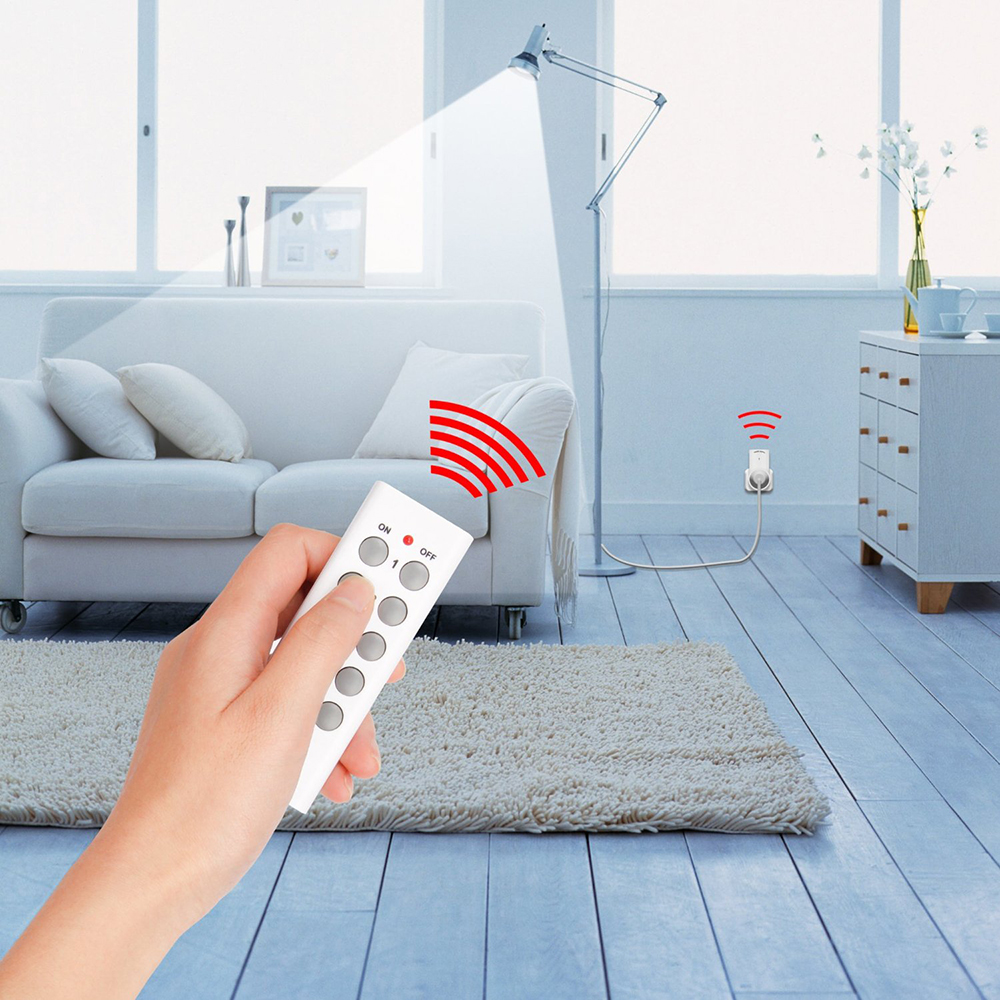
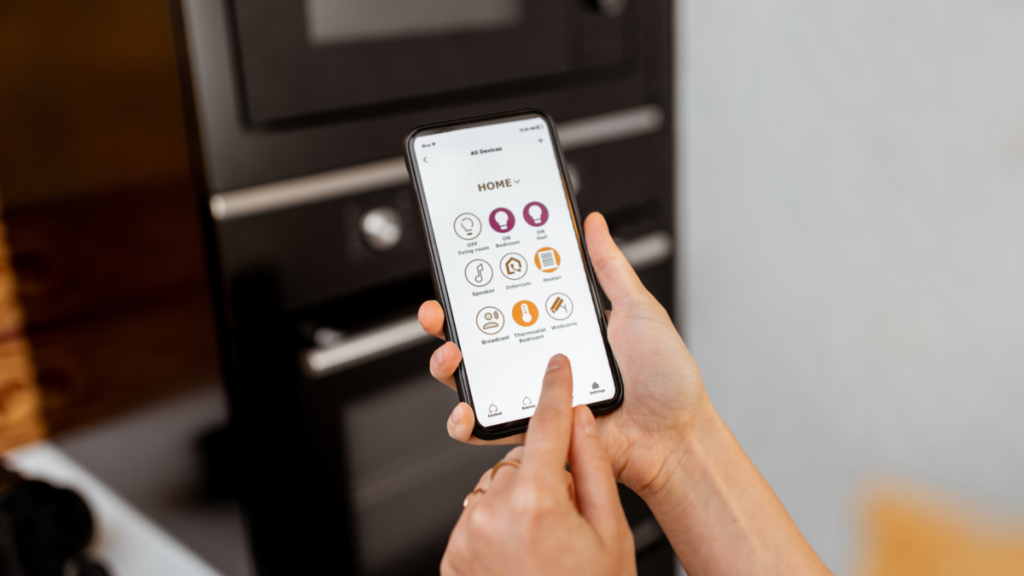
The key functionality of smart appliances lies in their remote control capability via smartphones. Using dedicated apps, you can monitor energy consumption, adjust settings, and even start and stop cycles from anywhere with an internet connection. This remote access allows for flexibility and convenience, catering to the needs of busy modern lifestyles. The integration of smart appliances with other smart home systems is also worth noting, potentially allowing for full home automation. Many of these systems integrate with voice assistants, further streamlining the experience.
Connectivity and Compatibility
Connectivity is critical to the functionality of smart appliances. The specific method and standards used, such as Wi-Fi or Bluetooth, need to be considered when making your purchase. Make sure the smartphone app is compatible with your chosen smartphone model and operating system, ensuring smooth operation. Checking compatibility with existing home automation systems is also essential. The availability of reliable technical support for the selected appliances is an important factor to consider. This can help address any connectivity issues or problems with the appliance itself.
Choosing the Right Appliances
Key Considerations for Selecting Appliances
Your specific needs and preferences should guide your appliance selection. Consider how frequently you use certain appliances, the size of your household, and the types of features that best meet your lifestyle requirements. This approach will guarantee a more efficient and enjoyable user experience. Analyzing your existing home setup, including electrical outlets and Wi-Fi coverage, is also crucial. Appliances that offer voice assistant integration provide a higher level of convenience.
Comparing Features
Thoroughly compare features and functionalities. Consider aspects such as energy efficiency, cleaning performance, and overall usability. Energy-efficient smart appliances are beneficial for those concerned about environmental impact and cost savings. Reading reviews, comparing pricing, and checking for potential warranty issues are all important actions to take before making a purchase.
Maximizing Efficiency and Saving Energy
Energy-Saving Options
Smart appliances can dramatically improve energy efficiency. Features like remote scheduling and automated adjustments based on usage patterns can significantly reduce your energy consumption. This not only reduces your utility bills but also minimizes your environmental footprint. Consider the various energy-saving features when making your selection.
Smart Home Integration
Integrating your smart appliances with a wider smart home system can enhance overall convenience. Automation and control over different aspects of the house from a single platform is a potential benefit. In-depth research is vital to identify appliances that seamlessly integrate with your current home ecosystem, maximizing your home’s efficiency and convenience.
Ensuring Security and Reliability
Safety Measures and Security Protocols
Security is paramount when incorporating smart appliances. Choose appliances with strong security protocols, encrypting communication and protecting your data. Reading security reports and ensuring robust data protection measures are in place is vital to safeguarding your personal information.
Practical Tips for Maintenance and Troubleshooting
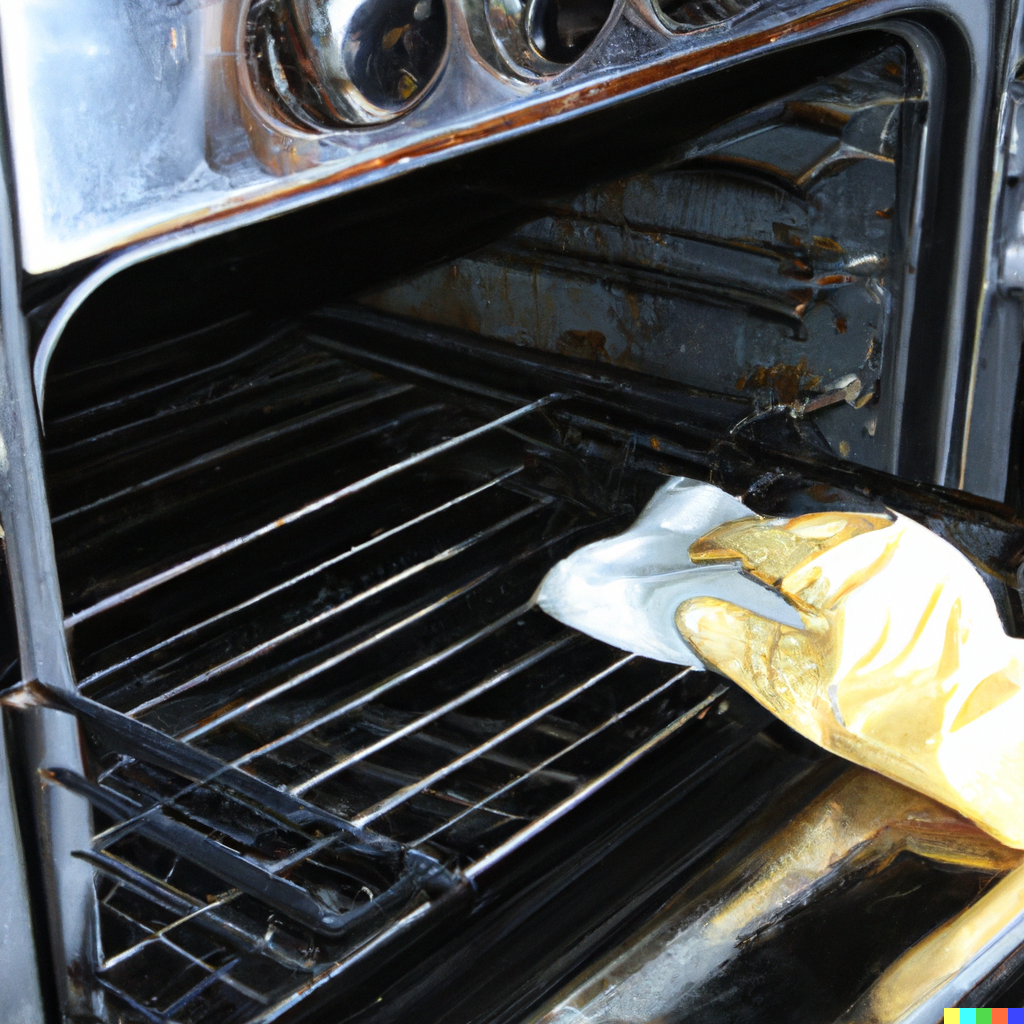
Proper maintenance and troubleshooting are crucial aspects of using smart appliances. Refer to user manuals for specific guidelines. Knowing how to troubleshoot common issues ensures you are prepared for any minor problems that may arise.
Benefits and Drawbacks of Smart Appliances
Evaluating the Advantages
Smart appliances offer numerous advantages, including enhanced convenience, energy efficiency, and streamlined home management. The automation provided is incredibly beneficial for users with busy schedules. These technological advancements also offer the potential to save time and reduce stress.
Assessing the Potential Disadvantages
Despite the benefits, smart appliances are not without their drawbacks. Initial setup and integration can be complex for some users. Potential software glitches, connectivity issues, and security vulnerabilities must also be considered. Ensuring that these possible issues will not affect the smooth running of the smart home system is a must.
Frequently Asked Questions
What are the common types of smart appliances?
Smart appliances encompass a wide range of devices that connect to the internet and can be controlled remotely. This includes smart refrigerators, ovens, dishwashers, washing machines, dryers, and even lighting systems and security cameras. These appliances often feature connectivity via Wi-Fi or Bluetooth, allowing users to monitor and manage them remotely. The advanced features they include vary by brand and model, offering various levels of automation and integration into home ecosystems.
In conclusion, choosing smart appliances that can be controlled remotely via smartphone offers significant benefits, from increased convenience and energy efficiency to enhanced security and peace of mind. By carefully considering your needs and researching available options, you can make informed decisions and integrate smart technology into your home seamlessly. This guide has provided a comprehensive overview and actionable insights, paving the way for a smarter home experience. To get started, visit our website for a curated list of recommended smart appliances and expert advice.