Pantry organization is key to creating an efficient and accessible food storage system. A well-organized pantry not only saves time and reduces stress during meal preparation but also prevents food waste, maximizing the shelf life of your groceries. But too often, pantries become chaotic, filled with expired items and difficult-to-find essentials. This article presents a comprehensive guide to help you transform your pantry into a functional and enjoyable space, allowing you to easily locate ingredients and minimize food waste. We will explore several techniques to optimize your pantry layout, storage solutions, and inventory management, all with practical tips and examples for easier implementation. In this comprehensive guide, you will learn to strategically maximize space in your kitchen while minimizing wasted food—starting with a clear inventory and continuing with choosing appropriate storage containers, clear labeling, and establishing zones for various food groups.
Creating an Effective Inventory:
Understanding Your Current Pantry Situation
Efficient pantry organization begins with an accurate inventory of your current situation. Before implementing any changes, thoroughly assess what you already have in your pantry. List all items, including their quantity, and note any items nearing expiration dates. This comprehensive inventory is the foundation for your organization plan, helping you determine the most efficient placement and utilization of space. Proper inventory tracking is not only about listing all your existing food supplies, but also about identifying gaps in your supply. For example, understanding you have no pasta sauce despite using it regularly allows you to add it to your shopping list, preventing you from buying another type of sauce at a later time.
Identifying Surplus and Expired Items
Regularly reviewing and decluttering your pantry inventory is essential for a well-organized storage system. This process involves identifying items that have expired or are not often used. Don’t be afraid to remove surplus or outdated items—especially those that are nearing expiration dates or no longer align with your dietary preferences. Proper inventory management and regular review allow you to avoid food waste and maintain an up-to-date supply of usable goods. A clear inventory is important for future shopping as it alerts you to any ingredient gaps that may otherwise go unnoticed and contribute to food waste.
Prioritize Items and Categorize
Prioritize frequently used items by placing them in easily accessible locations. Categorize similar food items together to make searching and finding what you need easier. By grouping like items together, you create logical zones within your pantry. For example, all canned goods can be placed in a specific section. This practice ensures that you don’t have to search through various areas to find the desired product, saving you precious time when preparing your meals.
Choosing the Right Storage Solutions:
Selecting Appropriate Containers
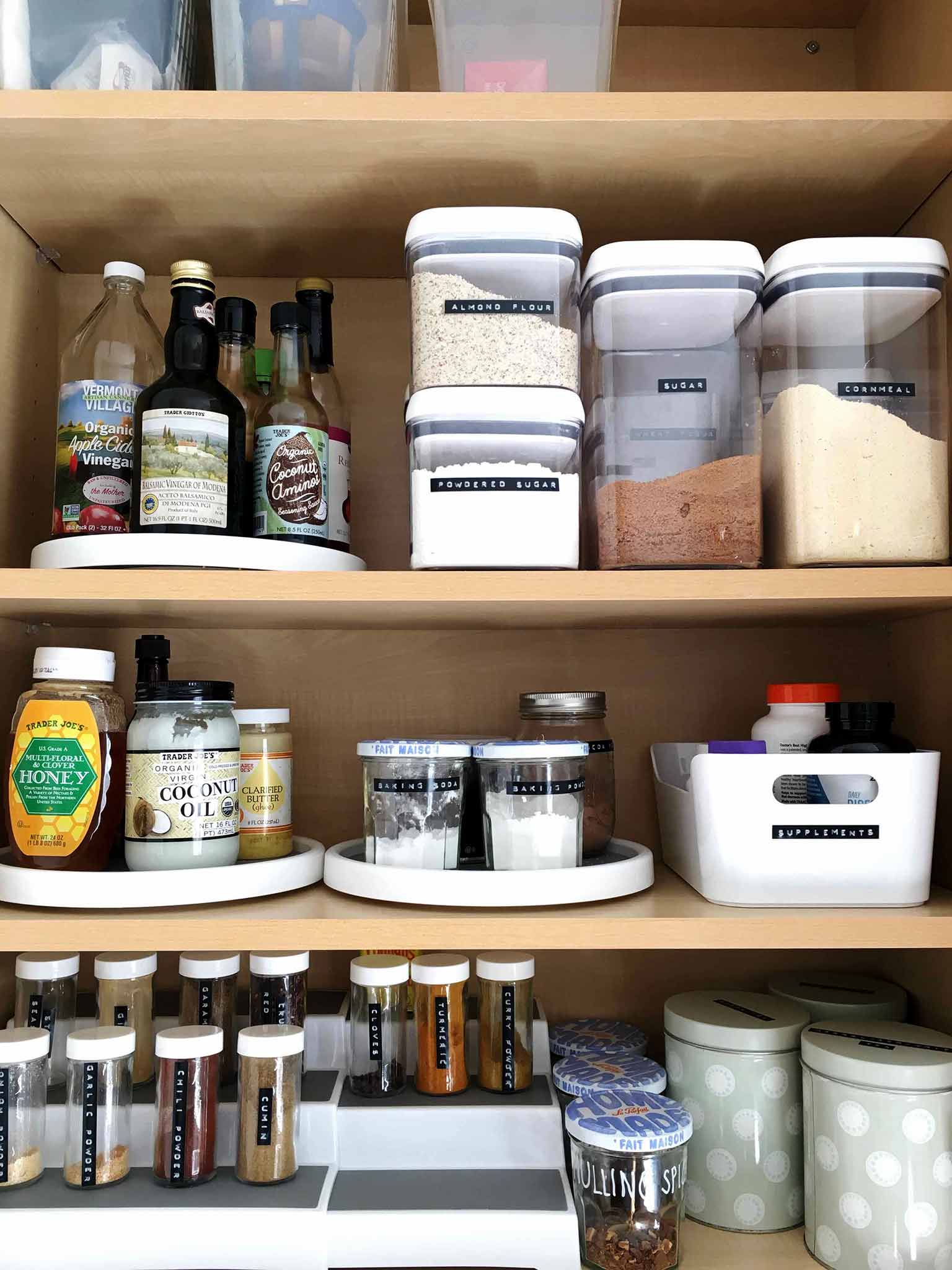
Choosing the right containers is crucial for keeping your pantry organized. Consider the shape, size, and material of each container. Airtight containers are vital for preserving the freshness and quality of food items, preventing them from becoming stale or attracting pests. Additionally, opt for containers that are stackable to maximize space utilization. Clear containers are also helpful; you can easily see what’s inside without having to open every container. The transparent option prevents wasted time searching for certain ingredients.
Labeling for Easy Identification
Labeling your containers is a simple yet effective method for quickly identifying the contents. This practice saves you valuable time when trying to find what you need. Using labels makes it easier to check and verify the date a specific item was purchased to improve accuracy and prevent unwanted food waste. This is especially critical for items with similar appearance or consistency. For example, different types of beans may be stored in similar containers, so labeling each container can differentiate them and prevent confusion.
Optimizing Space Utilization
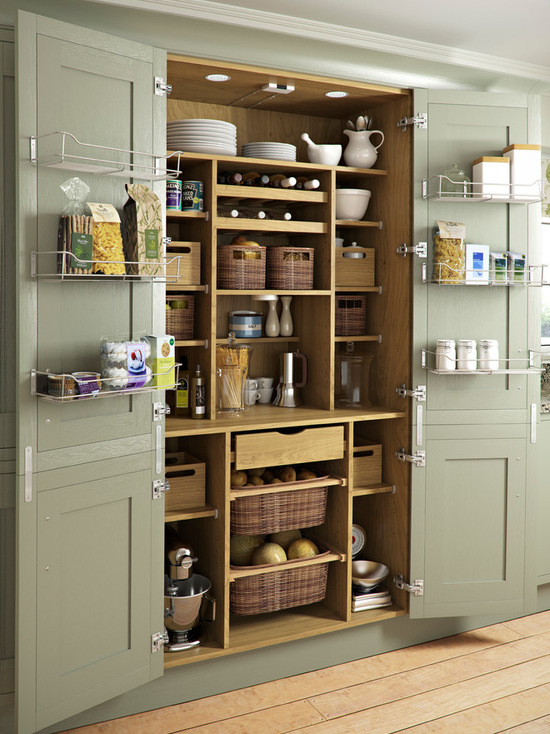
Maximize your pantry space by utilizing vertical and overhead storage. Stack containers strategically, and consider using shelves or drawers to store items appropriately. Use containers of different sizes and shapes to accommodate different items. Vertical space optimization ensures that your pantry functions efficiently, preventing wasted space.
Designing a Practical Pantry Layout:
Creating Zones for Different Food Items
A well-defined pantry layout enhances accessibility and efficiency. Establish designated zones for different food types, such as dry goods, canned goods, and packaged foods. This arrangement prevents clutter and makes locating specific items quicker and easier. This strategy allows quick retrieval of necessary ingredients for meals. Creating zones helps in preventing the food in your pantry from getting scattered. Consistent placement of items reduces wasted time trying to find what is needed.
Incorporating the First-In, First-Out (FIFO) Method
Employ the FIFO method for items with expiration dates to ensure that older items are used before newer ones. Place newer items behind older ones on shelves to promote regular use of the earlier purchases. This approach helps maintain the freshness and quality of your food supplies, reducing food waste. By ensuring you use older items first, you can maximize the shelf life of your produce and other pantry items.
Implementing Efficient Organization
Consider the placement of frequently used items. These items should be stored in locations that are easily accessible. If possible, create a system that aligns with your family’s dietary preferences. This will streamline the process of pulling items from the pantry, preventing any wasted time searching for the right ingredients.
Maintaining a Well-Organized Pantry:
Regular Cleaning and Sanitization
Regularly cleaning and sanitizing your pantry is crucial for preventing pest infestations and maintaining food safety. Remove any spilled items or crumbs, and clean surfaces and shelves to maintain cleanliness. This practice helps prevent the growth of bacteria or other contaminants. Cleaning your pantry regularly will improve its appearance as well as ensure the food is well-maintained.
Regularly Updating Your Inventory
Periodically update your inventory list to reflect changes in your pantry. This practice prevents gaps or inconsistencies in your inventory. As your inventory changes, update your records to reflect the changes. This helps prevent overstocking or understocking of essential items.
Adapting to Changing Needs
As your needs and eating habits evolve, adjust your pantry organization accordingly. Assess your food consumption patterns, and adapt your storage systems to reflect those changes. For example, you may find that you purchase a lot of frozen vegetables during winter, so you should place that section in a more easily accessible place for the duration of the season.
Implementing Food Preservation Techniques:
Freezing for Extended Storage
Freezing fresh produce or leftovers can help preserve their quality and extend their shelf life. Consider using airtight containers for freezing to maintain freshness. Proper freezing techniques will preserve items longer. This technique reduces food waste and allows you to maintain access to fresh foods for an extended period.
Canning for Long-Term Storage
Canning is an excellent way to preserve fruits and vegetables for extended storage. Use appropriate canning techniques to ensure food safety. Consider labeling containers with expiration dates to manage your inventory. This practice also maximizes your use of pantry space.
Dehydrating for Shelf-Stable Snacks
Dehydrating fruits and vegetables is an excellent way to create healthy and convenient snacks. Properly dried ingredients can last for many months. Dehydrated items can also improve the nutritional content of some foods when compared to fresh fruits and vegetables.
Advanced Pantry Organization Techniques:
Implementing a color-coded system
Color-coding your pantry can enhance organization. Use different colors to highlight different food categories, such as red for canned goods, green for vegetables, and blue for dry goods. This can help to make it easier to locate items and also make the pantry more visually appealing. This technique provides an intuitive and quick way to locate specific items.
Integrating spice storage
Store spices in a designated area and arrange them systematically. Categorize them by type (e.g., chili powder, paprika) for easier access. Using clear containers is also highly recommended for spices. Using a color-coded system or labeling can further improve the organization of spices and make it easier to find specific spices during cooking.
Optimizing for meal prepping
Plan your meals to optimize your pantry organization. Prioritize items you need for upcoming meals by putting them at the front of the pantry. This practice ensures that items you need in the near future are readily accessible and in view.
Tips for Success:
Regularly review and adjust
It is essential to review and adjust your pantry organization system regularly. Consider your use patterns and make necessary changes. This practice ensures that you maintain a systematic approach to your food storage. Reviewing your layout and adjusting based on usage helps optimize your pantry for its intended purpose.
Clear communication within the household
Inform other members of your household of the new pantry organization. This will facilitate cooperation and encourage consistent use of the system. Clear communication with household members fosters a culture of shared responsibility when it comes to food and pantry management.
Creating a conducive atmosphere
Create a conducive and appealing atmosphere in your pantry. Using pleasant lighting and visually appealing organizational tools can enhance the overall experience of using your pantry. This improves the enjoyment of using the space while also making it more pleasant.
Choosing Suitable Pantry Storage Solutions:
Rolling Carts for Added Storage
Rolling carts are effective for maximizing vertical storage space and allowing for greater accessibility. Consider purchasing rolling carts for added storage, to reduce the physical strain of bending over when retrieving items. Using rolling carts improves both the accessibility of items and the comfort of the user when storing items in the pantry.
Using Drawer Organizers
Utilize drawer organizers to store smaller items and prevent them from getting lost or disorganized. Drawer organizers provide better storage efficiency and organization. Organizing drawers by category keeps items from getting lost or mixed up.
Innovative Shelf Dividers
Investing in shelf dividers creates distinct storage spaces for different food items. Using shelf dividers allows you to maximize the use of your vertical pantry space.
Additional Considerations
Maintaining Freshness
Proper maintenance is key to preserving freshness. Always check expiration dates before using an item and always keep your pantry at the appropriate temperature. It is also important to pay attention to the temperature and humidity of the area to prevent food from becoming stale.
Preventing Pests
Regularly inspect your pantry for signs of pests, and take action to eliminate any infestations. Use airtight containers, and check pantry shelves for any signs of infestation. Use good quality storage containers to prevent insects from getting into your food items.
Preventing Food Spoilage
Use food storage techniques like freezing, canning or dehydrating to extend the shelf life of your food. Implementing these steps will help you prevent food waste and ensure that you have fresh ingredients readily available for use. Employing good storage techniques helps in preventing food from becoming stale and preserves the quality of your food items.
FAQ:
Q: How often should I reorganize my pantry?
A: Reorganizing your pantry isn’t a one-time event; it should be a regular part of your household routine. Ideally, you should reassess your pantry organization every 3-6 months, or more frequently if your food consumption habits change significantly. For example, after holidays or seasonal shifts. This allows you to account for the changes in your needs and keeps your pantry in optimal condition.
Q: What are some key steps in creating an efficient and accessible pantry?
A: The key steps involve careful planning. Start by taking inventory of all the items in your pantry. Assess the space available for various food items and their storage needs. Choose appropriate storage containers and ensure they are well-labeled for easier access. Establish clear zones for different food groups and prioritize items based on frequency of use. Finally, regularly review and adjust your system as needed to maintain efficiency.
In conclusion, organizing your pantry for efficient and accessible food storage is a worthwhile investment in your time and well-being. By implementing the strategies outlined in this article, you can not only save time but also reduce food waste and ensure your pantry is a functional and enjoyable space. Take action today and create your perfect pantry! Start with a simple inventory, then assess storage needs. Prioritize items, and implement your chosen solution. Remember, a well-organized pantry is a happy pantry!