Building a garage gym is a fantastic way to create your personal fitness center at home, offering convenience, cost savings, and a customizable space for your workouts. Having a dedicated workout area can provide a sense of focus and motivation, improving fitness consistency and achieving individual fitness goals. A well-designed home gym eliminates the hassle of going to a commercial gym, saving time and money. This article delves into the key aspects of building your dream garage gym, from initial planning to the finishing touches and safety considerations.
Planning Your Garage Gym: Laying the Foundation
Defining Your Needs and Goals
The first step in building a garage gym is understanding your specific fitness needs and goals. Are you aiming for strength training, cardio, or a combination? What equipment are you already using, and what do you need to purchase? Are there space constraints to take into consideration? Consider your frequency of use and the amount of space you have available. Defining these aspects will guide your planning process and prevent unnecessary expenditures. For instance, if you primarily focus on strength training, investing in heavy equipment like squat racks and power cages would be crucial. If cardio exercises are more your focus, you might need to allocate more space for a treadmill or stationary bike.
Assessing Your Budget and Space
Your budget plays a crucial role in determining the extent of your garage gym project. Begin by creating a realistic budget that covers all aspects from equipment costs to potential structural changes. Having a detailed budget will help manage expectations and guide your purchasing decisions. Carefully evaluate the available space in your garage. Measure the dimensions and consider the placement of existing equipment, outlets, and other essential garage features. Consider how your equipment will fit into the space and whether additional storage is needed. If space is limited, consider space-saving equipment that can serve multiple purposes.
Designing Your Garage Gym: Aesthetic and Functionality
Choosing the Right Floor Covering
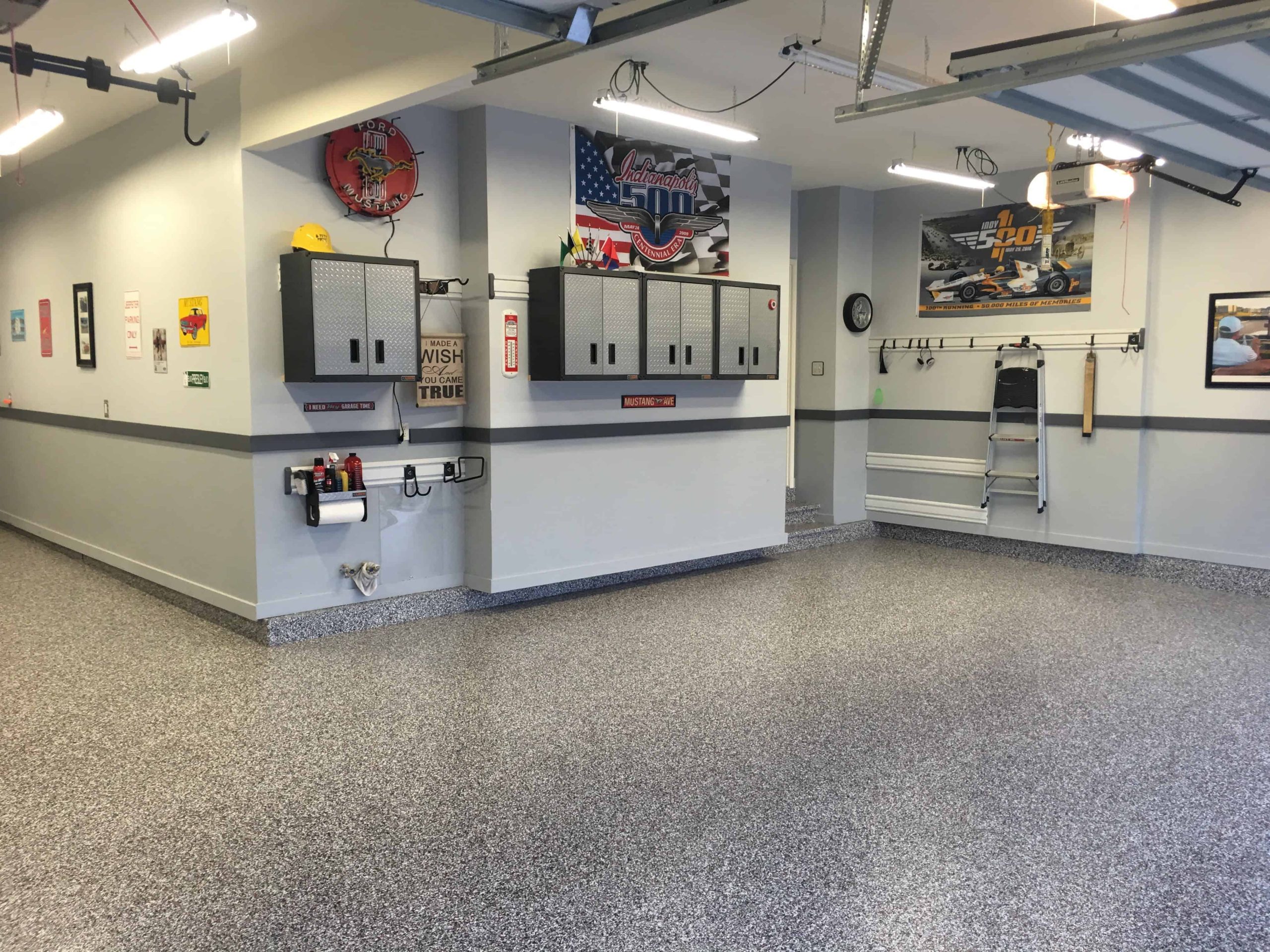
A durable and non-slip floor covering is essential for a safe and comfortable workout area. Consider rubber mats, or specialized gym flooring for the highest level of durability. These materials provide excellent protection against heavy weights and provide good traction, minimizing the risk of slips and falls. Studies show that specialized gym floors provide superior protection during high-intensity workouts compared to simple concrete or carpeting.
Designing for Ergonomics
Consider the ergonomics of your space. Ensure ample room for movement and equipment placement. Proper ergonomic considerations can enhance the effectiveness of your workout and significantly reduce potential injuries. Pay attention to the height, weight, and strength requirements for various equipment, and arrange them strategically to maximize workout efficiency. If you will frequently use heavier weights, ensure that the weights can easily be maneuvered, and the space is clear for the necessary room.
Equipping Your Garage Gym: Essential Tools
Selecting the Right Equipment
This is a crucial step for maximizing the effectiveness of your workouts. Start by assessing your fitness goals. What type of exercises do you perform regularly? Identifying your workout needs will enable you to select equipment that suits your specific requirements. Determine the necessary equipment and how it will best suit your space. Consider space optimization with multi-functional equipment that allows for different kinds of exercises. For example, a pull-up bar can be a great addition for building upper body strength. Consider the long-term needs of your gym, ensuring that you have enough equipment for multiple workout routines, so you can keep your workouts engaging and effective.
Understanding Equipment Durability
The durability of the equipment is equally important, especially for high-impact activities. Look for heavy-duty equipment built to withstand repeated use and heavy loads. Durability can be critical in the long term, preventing potential wear and tear and ensuring that equipment lasts for years to come. Read reviews and specifications before purchasing to ensure the equipment meets your standards of quality.
Enhancing Your Garage Gym: The Finishing Touches
Lighting and Ventilation
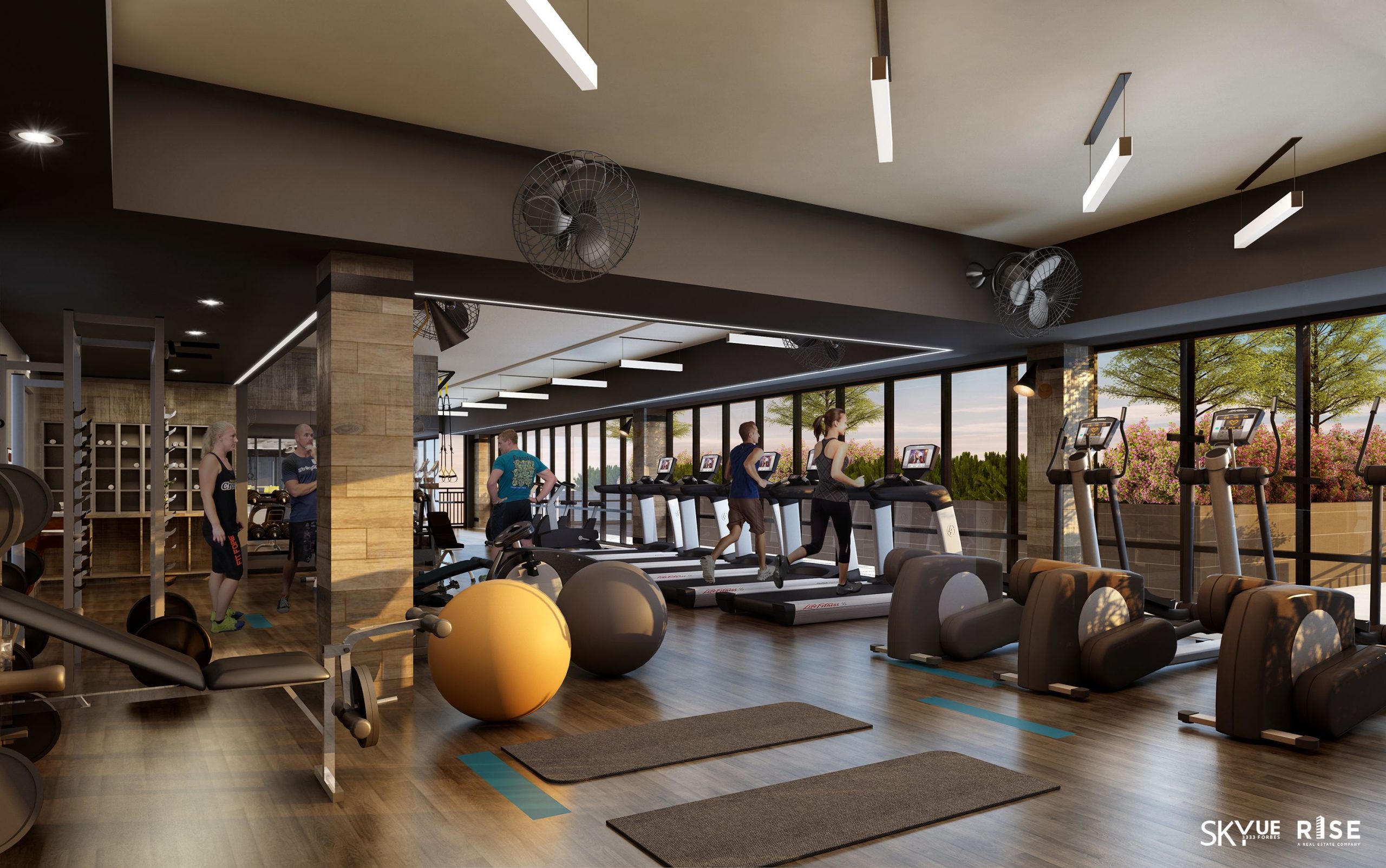
Adequate lighting and ventilation are essential for creating a functional and comfortable workout space. Ensure that the lighting is bright and evenly distributed, and make sure that the space has good ventilation to prevent the buildup of moisture or sweat. Well-designed lighting will improve safety and clarity, while proper ventilation will enhance your workout comfort and reduce odors. Consider installing a ventilation system or strategically placing fans to maintain optimal air circulation. This will also help regulate the temperature, which is vital for workouts.
Safety Considerations for Your Garage Gym
Proper Safety Gear
Including proper safety gear is crucial for preventing accidents and injuries. This is a critical element for minimizing risk and improving safety. Consider investing in weightlifting straps, knee pads, elbow pads, and other protective gear, which is especially important for high-impact exercises. Make sure the flooring is also non-slip, which is also a necessary element of safety. Always prioritize safety when lifting weights or performing other exercises that involve exertion.
Maintaining Your Garage Gym: Long-Term Care
Cleaning and Maintenance
Regular cleaning and maintenance are essential to ensure the longevity and functionality of your garage gym equipment. Cleaning up spills promptly, wiping down equipment after each use, and regularly checking for damage will greatly extend the life of your investment. It is equally crucial to keep the area clean to reduce the accumulation of dust and dirt. Regular maintenance is key to avoiding future repairs.
Upgrading and Expanding
As you gain experience and your needs evolve, consider upgrading or expanding your garage gym. This is a key consideration for maintaining the effectiveness of your workouts and preventing boredom. You may need to change or modify equipment as your fitness routine evolves. Plan for potential upgrades to expand your workouts and accommodate different fitness goals.
Addressing Concerns and Issues
It is equally important to be aware of issues and problems that may develop. Be proactive in identifying issues before they become a significant problem.
Budget-Friendly Garage Gym Options
DIY Approach
Creating a budget-friendly garage gym can be done with DIY methods. Use repurposed materials, focus on essential equipment, and plan your purchases carefully. DIY projects allow customization, maximizing limited budgets. Finding affordable equipment options from online marketplaces or garage sales can significantly reduce costs.
Second-Hand or Refurbished Equipment
Explore second-hand or refurbished options for equipment to lower costs. Websites and local marketplaces offer a wide range of equipment at lower prices, providing a chance to find high-quality gear without breaking the bank.
Inspiration and Design Ideas
Examples of Garage Gym Layouts
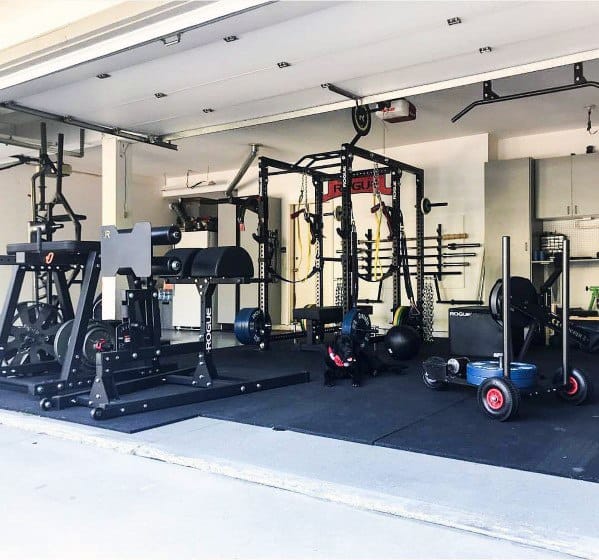
Many home gym enthusiasts share their design and layout ideas, offering inspiration for garage gym transformations. There are many examples online that demonstrate effective and attractive layout possibilities for a garage gym. Seek out inspiration to make your own unique and functional design.
Choosing Your Aesthetic
Consider the aesthetic you desire for your space. Modern, rustic, minimalist—all these aesthetics can influence your equipment choices and decor. Consider the color scheme, wall decor, and lighting to create a space that reflects your personal preferences.
Frequently Asked Questions
How much does it cost to build a garage gym?
The cost of building a garage gym varies significantly based on your equipment choices, space modifications, and labor costs. Budgeting for flooring, ventilation, lighting, and safety features alongside gym equipment is crucial. Professional installation can add to the overall cost, but you’ll likely save in the long run through avoiding DIY mistakes and potential injuries. Consider your desired level of luxury and equipment choices to get a realistic price estimate.
What are the benefits of having a home gym?
Beyond the obvious benefit of convenience, having a home gym provides flexibility and time savings. You have control over your workout schedule, avoid gym crowds, and potentially enjoy a more tailored fitness experience. You can personalize your workouts to suit your needs and goals. It’s also potentially more cost-effective in the long run, especially for those who utilize the gym frequently. Additionally, a home gym creates a personalized environment that caters to individual workout preferences.
What are some safety precautions to consider when setting up a garage gym?
Prioritizing safety in your garage gym is paramount. Install adequate lighting, ensuring that pathways are clear and free from obstacles. A non-slip floor is crucial to prevent accidents during workouts. Proper ventilation systems will help maintain suitable air quality. Install secure storage solutions for equipment to prevent injuries due to falling weights or misplaced items. Always use safety equipment like weightlifting straps and spotters, especially with heavy lifting. Remember to consult with a healthcare professional before starting any new workout routine or undertaking heavy activities.
In conclusion, building a garage gym is a rewarding investment in your physical and mental well-being. A well-designed and equipped home gym can offer convenience, flexibility, and cost savings compared to commercial gyms. The key takeaways are to plan carefully, prioritize your needs, and stay committed to your fitness goals. Ready to turn your garage into a personal fitness sanctuary? Visit our website for expert advice and top-rated equipment recommendations.